


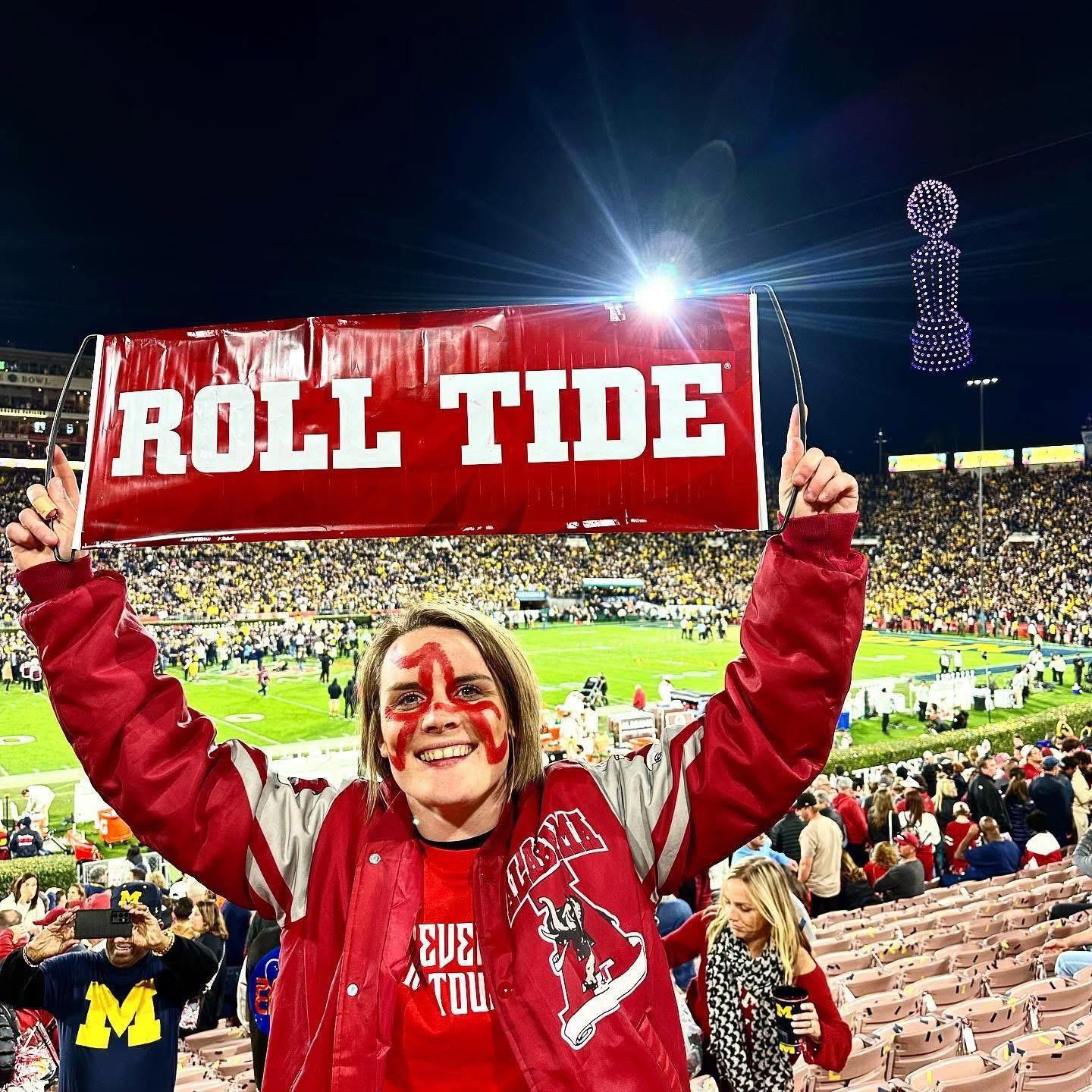

Indiana stunned Alabama with a dominant 38-3 Rose Bowl victory. The Crimson Tide's offense stalled while the Hoosiers controlled the game.
The Rose Bowl is supposed to be a stage for greatness, tradition, and pride. For Alabama, it turned into a nightmare. In a stunning and humiliating 38-3 loss to Indiana, the Crimson Tide delivered one of the worst bowl performances in program history: flat, disjointed, and completely overmatched from the opening kickoff.
Nothing worked for Alabama.
Nothing.
Offensively, the Tide were lifeless. Quarterback Ty Simpson finished 12-of-16 for just 67 yards, a stat line that barely registers at the Power Five level, much less on the Rose Bowl stage.
Alabama struggled to move the ball at all, rarely threatening past midfield and never showing any sense of rhythm or urgency. Drives stalled quickly, play-calling felt predictable, and execution was nonexistent. Whether it was protection breakdowns, receivers failing to create separation, or a general lack of confidence, Alabama looked unprepared and overwhelmed.
Indiana, meanwhile, looked calm, confident, and in total control.
Quarterback Fernando Mendoza carved up the Alabama defense with efficiency and poise, completing 14 of 16 passes for 192 yards and three touchdowns. He didn’t need volume, he needed precision. Mendoza consistently found open receivers, punished missed assignments, and took advantage of Alabama’s inability to get off the field. Indiana dictated the tempo, owned time of possession, and never let Alabama breathe.
Defensively, Alabama had a few individual bright spots, but they were largely drowned out by the overall collapse. Bray Hubbard led the team with eight total tackles and added a sack, playing with effort when much of the defense appeared stuck in neutral. LT Overton chipped in seven total tackles, while Nikhai Hill-Green recorded six tackles and 1.5 sacks. Yhonzae Pierre added four tackles and 1.5 sacks of his own. Those numbers, however, tell only part of the story. While a handful of players flashed effort, the defense as a unit struggled with missed tackles, blown coverages, and an inability to stop Indiana on key downs.
Indiana scored early, scored often, and never looked back.
Alabama had no answer.
By halftime, the outcome felt inevitable.
By the fourth quarter, it was merciful.
This loss wasn’t just a defeat, it was a statement, and not a good one.
Alabama was out-coached, outplayed, and outclassed in every phase of the game.
The physicality, discipline, and execution that once defined the program were nowhere to be found. For a team wearing crimson and white on college football’s most iconic field, the performance was unacceptable.
The Rose Bowl will be remembered for Indiana’s dominance, but for Alabama fans, it will linger as a painful reminder that tradition alone doesn’t win games. Changes, reflection, and accountability will be unavoidable after a night that stripped away any illusion of competitiveness.
Alabama didn’t just lose.
They were exposed.