



Ghana's proposed hemp license fees are sky-high, potentially shutting out local farmers. Activists decry the world's highest rates, demanding urgent reconsideration.
The Ghanaian parliament has released the government's proposed hemp farming license fees, and they are shockingly high. The West African nation's main hemp activist group, Hempire Agric Ghana (HAG) calls them unrealistic and exclusionary.
The lowest licensing fee, for grows of up to one acre, is a whopping $9,000. For grows from one to three acres, the fee is $11,500 per acre, and for grows or four or five acres, the fee is $13,300 per acre. Grows larger than five acres would pay $18,000 per acre. The fees cover a three-year period, but those are still among the highest fees in the world.
In Australia, for example, the fee for five years for any size hemp grow is $1325; in Zimbabwe, it's $200 for a hemp grow, renewed annually; in Great Britain, it's $777, and $437 per year for subsequent years.
US state hemp licensing fees vary from zero in a pair of states where hemp operates under USDA license to a few hundred dollars in most cases. Among the states with the highest licensing fees are Oregon ($1,250), Nevada ($900 plus $5 per acre), Montana ($1,100), and Michigan ($1,350).
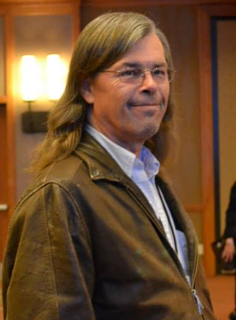
The proposed Ghanaian fee structure is "the highest in the world," said HAG CEO Nana Kwaku Agyeman, who is seeking a meeting with Deputy Speaker Bernard Ahiafor to demand changes.
In a letter to Ahiafor, Agyeman wrote that the fees are out of line: "This amount is unreasonably high for what is only the preliminary stage of the process and bears no resemblance to licensing structures elsewhere in Africa or globally," he wrote. "The fee structure "excluding the very Ghanaian farmers and entrepreneurs the law was intended to empower."
"Who will be your taker?" he asked in an interview with Cannabiz Africa. "You won't have a taker."
The proposed fee structure would require large tracts of land and companies with deep pockets to make a viable investment in hemp, he said. That would leave local companies and communities on the outside looking in. "They want to stop the indigenous from taking part in the industry. That’s their aim," Agyemang said.
Will the government listen to stakeholders' complaints? Stay tuned.