


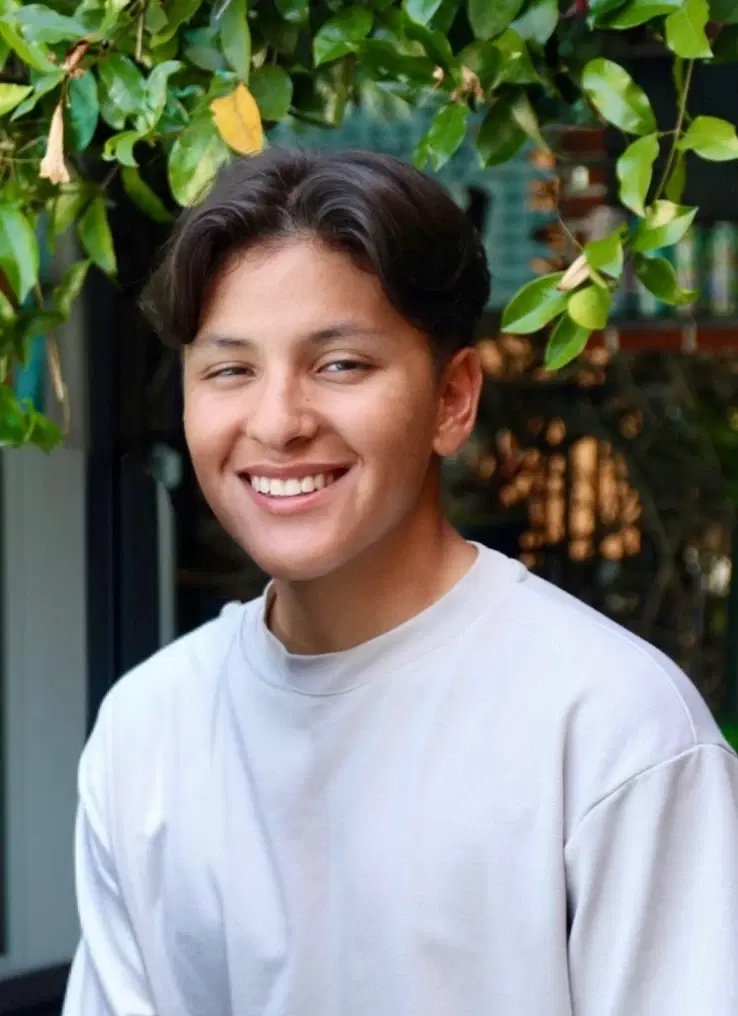

Rafael Devers, Bryce Eldridge vie for DH duties, balancing veteran power, prospect development to impact the San Francisco Giants' lineup.
The San Francisco Giants head into the 2026 season with an intriguing, if fluid, outlook at designated hitter, a spot that could ultimately be shared between established star Rafael Devers and rising prospect Bryce Eldridge.
While the two are officially listed as first base/DH options, the way the Giants allocate at-bats between those roles could have a meaningful impact on both the lineup’s ceiling and Eldridge’s development.
Devers figures to be the most reliable option at DH on Opening Day. The veteran slugger remains one of the league’s most dangerous left-handed bats, and increased time at designated hitter could help preserve his health over the course of a long season.
By limiting his defensive workload at first base, the Giants can maximize Devers’ offensive production while also keeping lineup flexibility intact. In that sense, DH is less a fixed position and more a tool to manage Devers’ durability.
That same flexibility creates a potential opening for Eldridge. The 21-year-old enters the year as the organization’s top prospect and one of its most anticipated young hitters in recent memory.
While it’s far from guaranteed that Eldridge breaks camp with the big-league club, his offensive upside makes him a natural fit for a role that prioritizes run production over defensive polish. If Eldridge shows this spring that his bat is ready, then the DH role offers a relatively low-pressure pathway to regular at-bats.
Still, the Giants are expected to be cautious. Eldridge has limited experience above Double-A, and the club could opt to begin his season at Triple-A Sacramento to ensure he’s fully prepared for major-league pitching.
That approach would not be a setback so much as a reflection of long-term planning, especially for a player viewed as a cornerstone of the franchise’s future.
What complicates — and excites — the situation is the interchangeability between first base and DH. Both Devers and Eldridge are capable of handling first, allowing manager Tony Vitello to rotate them based on matchups, rest, and performance.
On days when Devers plays the field, Eldridge could slide into the DH role, and vice versa, creating a shared workload that keeps both bats active.
Ultimately, the Giants’ DH strategy in 2026 may say as much about Eldridge’s readiness as it does about Devers’ usage.
If Eldridge forces the issue, San Francisco has a built-in mechanism to get him into the lineup without sacrificing Devers’ impact, giving the club a potentially potent left-handed tandem to anchor the middle of the order.
Join the Community
Don't miss out on our ROUNDTABLE community and the latest news!
It's completely free to join. Share your thoughts, engage with our Roundtable writers, and chat with fellow members.
Download the free Roundtable APP, and stay even more connected!