


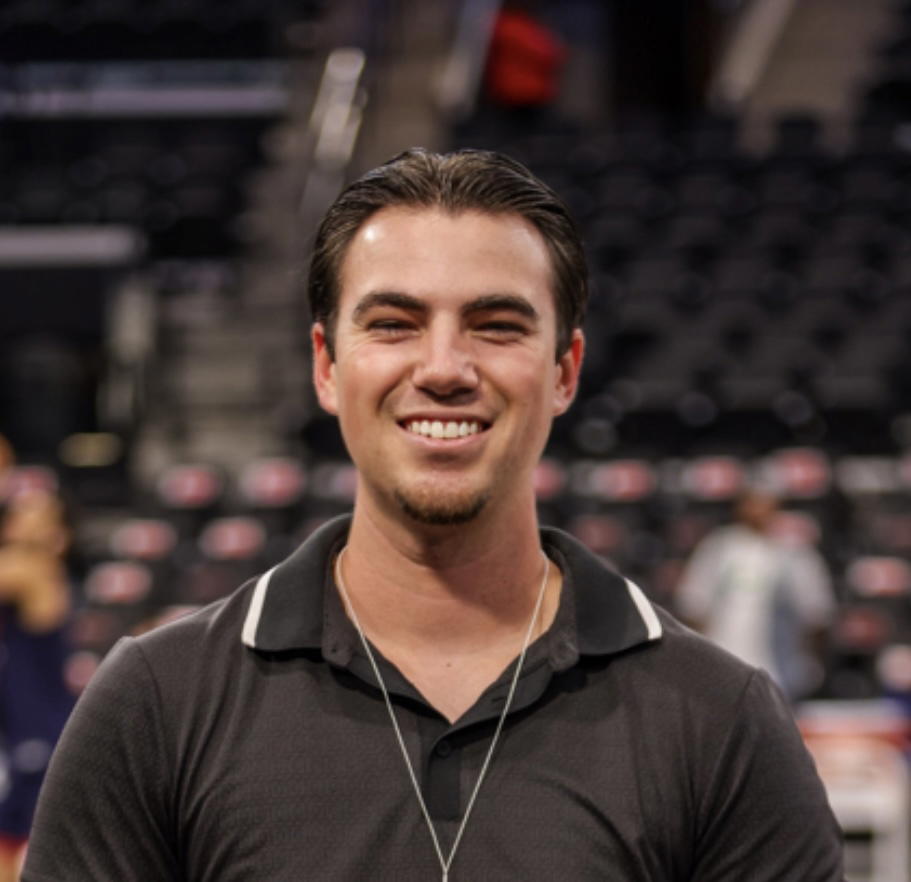

Ripken Jr. shares his thoughts on the protest votes that kept him from a unanimous Hall of Fame election.
Nearly two decades after being inducted into the Baseball Hall of Fame, Cal Ripken Jr. still doesn't have a good answer for why he wasn't elected unanimously in 2007, and the legendary Iron Man opened up about those missing votes during a recent appearance at The Economic Club of Washington, D.C.
Ripken on the Protest Vote
When asked about the voters who didn't cast their ballot for him, Ripken was candid about his confusion while also providing context for why it happened.
"No. I don't have a good answer for that. Your stats don't get better the longer you wait to get in," Ripken said. "In my particular year, there was four or five people that didn't fill out the ballot. And they did it because it was a protest to the steroid era."
Ripken appeared on 537 of 545 ballots cast in 2007, which gave him 98.53 percent of the vote, and that made him just the sixth-highest election percentage at the time.
He was inducted alongside Tony Gwynn of the San Diego Padres, who received 97.6 percent of the vote with 532 ballots.
The two blank ballots were submitted by writers who protested the steroid era, and some felt that even players with clean reputations like Ripken and Gwynn shouldn't receive unanimous support until the performance-enhancing drug scandal was properly addressed.
A Career Worthy of Cooperstown
The Hall of Fame selection came after one of the most remarkable careers in baseball history.
Ripken spent his entire 21-season career with the Baltimore Orioles from 1981 to 2001, where he compiled 3,184 hits, 431 home runs, and 1,695 RBI while earning two Gold Glove Awards.
He was a 19-time All-Star and won the American League MVP Award twice, in 1983 and 1991.
Of course, Ripken is best known for his iconic consecutive games streak, where he played in 2,632 straight games and broke Lou Gehrig's record that had stood for 56 years.
The streak, which ran from May 30, 1982, to September 19, 1998, earned him the nickname "The Iron Man" and became one of the most celebrated accomplishments in sports history.
Looking Toward 2026
The Orioles are coming off a disappointing 2025 season where they finished 75-87 and missed the playoffs after high expectations coming into the year.
Ripken now serves as a minority owner of the franchise after joining the ownership group led by David Rubenstein in 2024, and he remains committed to helping bring a championship back to Baltimore.
Despite never receiving that elusive unanimous vote, Ripken's place among baseball's all-time greats is secure, and his comments at the Economic Club are a reminder that even the most deserving candidates can fall short of perfection for reasons beyond their control.