


© Stan Szeto-Imagn Images

Jul 21, 2026 6:00 PM
Marc J. Spears highlights the Jazz rookie’s elite work ethic and disciplined mindset, revealing how the former Jayhawk’s "anti-diva" attitude is fueling his rise toward NBA superstardom.
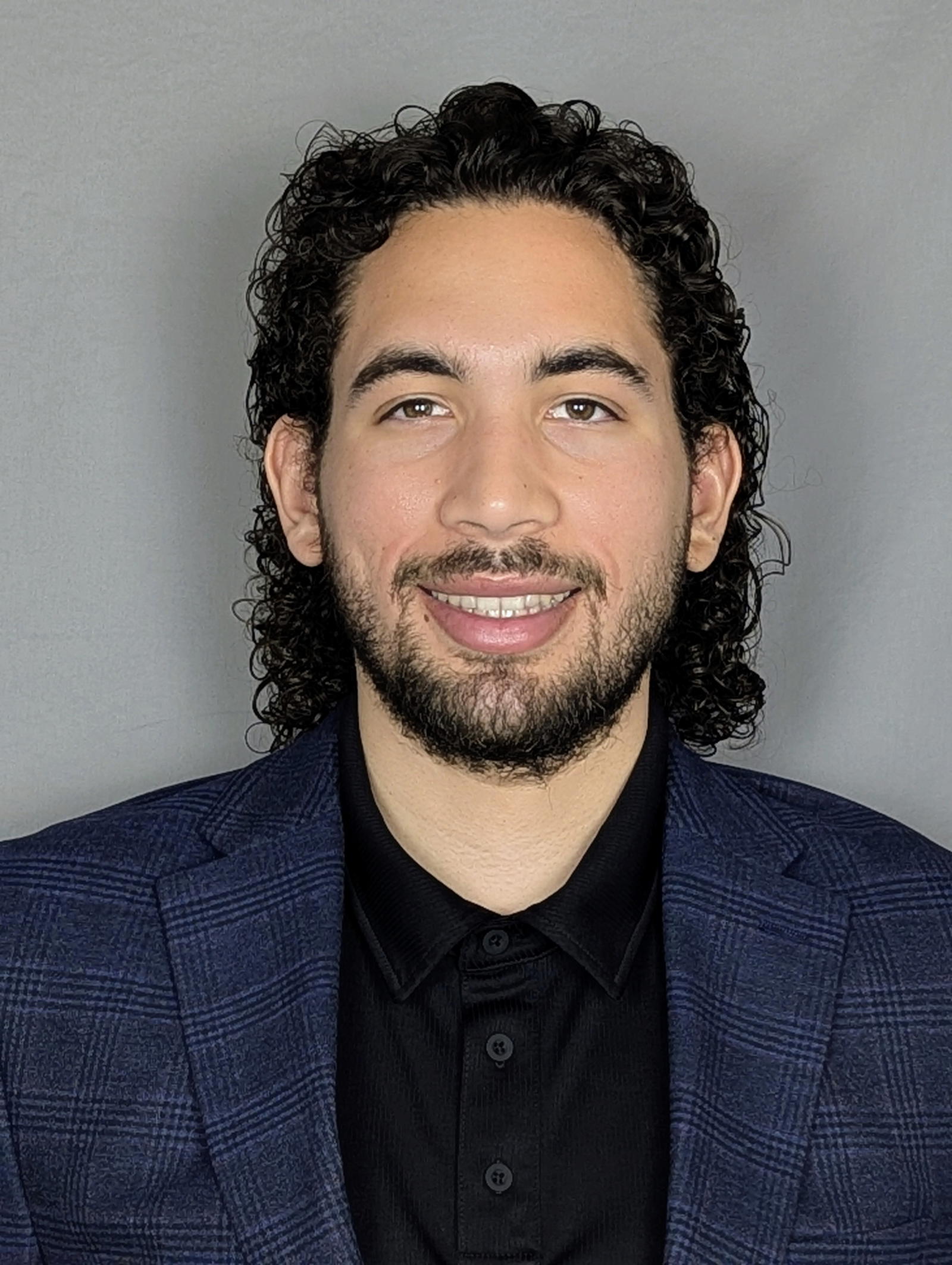
Utah Jazz rookie Darryn Peterson continues to draw strong praise as he moves through his first NBA summer, and one of the most notable endorsements came this week from Andscape’s Marc J. Spears. Speaking on Peterson’s reputation at Kansas, Spears offered a detailed look at how the freshman carried himself behind the scenes and why he believes Peterson is built for long‑term success in Utah.
Spears said Peterson earned respect immediately inside Kansas’ program. “This kid was super professional in the film sessions,” Spears said, noting that Peterson consistently sat “front center” and did it “every time.” The description matches what the Jazz have seen in Las Vegas, as the former Jayhawk has proven to be a motivated rookie who embodies the mindset of NBA legend Kobe Bryant and treats every rep as an opportunity to improve.
Spears emphasized that Peterson’s demeanor was the opposite of what some might assume about a top recruit. “He was not a diva,” Spears said. “He’s just a quiet guy.” That quiet, disciplined approach has been one of the defining traits of Peterson’s early Jazz tenure. He’s taken on-ball responsibility, embraced physicality and leaned into coaching, including the Ed Reed film session with Will Hardy.
Spears went further, saying he’s glad Peterson is “getting some positive press because he actually is a really good kid.” He closed with a strong projection that will resonate in Utah, saying, “He’s going to be a superstar with the Jazz.”
For the Jazz, Spears’ comments reinforce what the organization has already begun to build around Peterson. Utah drafted him for his frame, creation ability and long-term upside, but his early weeks have highlighted the other part of the equation, such as the habits, professionalism and personality behind the talent. Peterson has repeatedly said he wants to “get better every day,” and his Summer League approach of taking on extended minutes, employing physical defense, and showing a willingness to be coached no doubt reflects that.
Kansas coaches reportedly saw the same traits as Peterson’s willingness to sit up front, absorb information, and avoid distractions, which made him stand out in a program accustomed to high-profile recruits. For a 19-year-old guard stepping into a franchise built around youth, those habits matter, especially if he is the new face of the franchise.
Spears’ comments add context to Peterson’s early Jazz trajectory. The talent is obvious and the work ethic is undeniable; if both continue to grow, Utah may indeed have found the kind of player Spears described... a quiet competitor with superstar potential.
Comments

Powered by RoundtableBuilt on infrastructure designed for real-time media. Learn more at RTB.io.© Roundtable 2026. By using this site you agree to the Terms of Use and Privacy Policy