


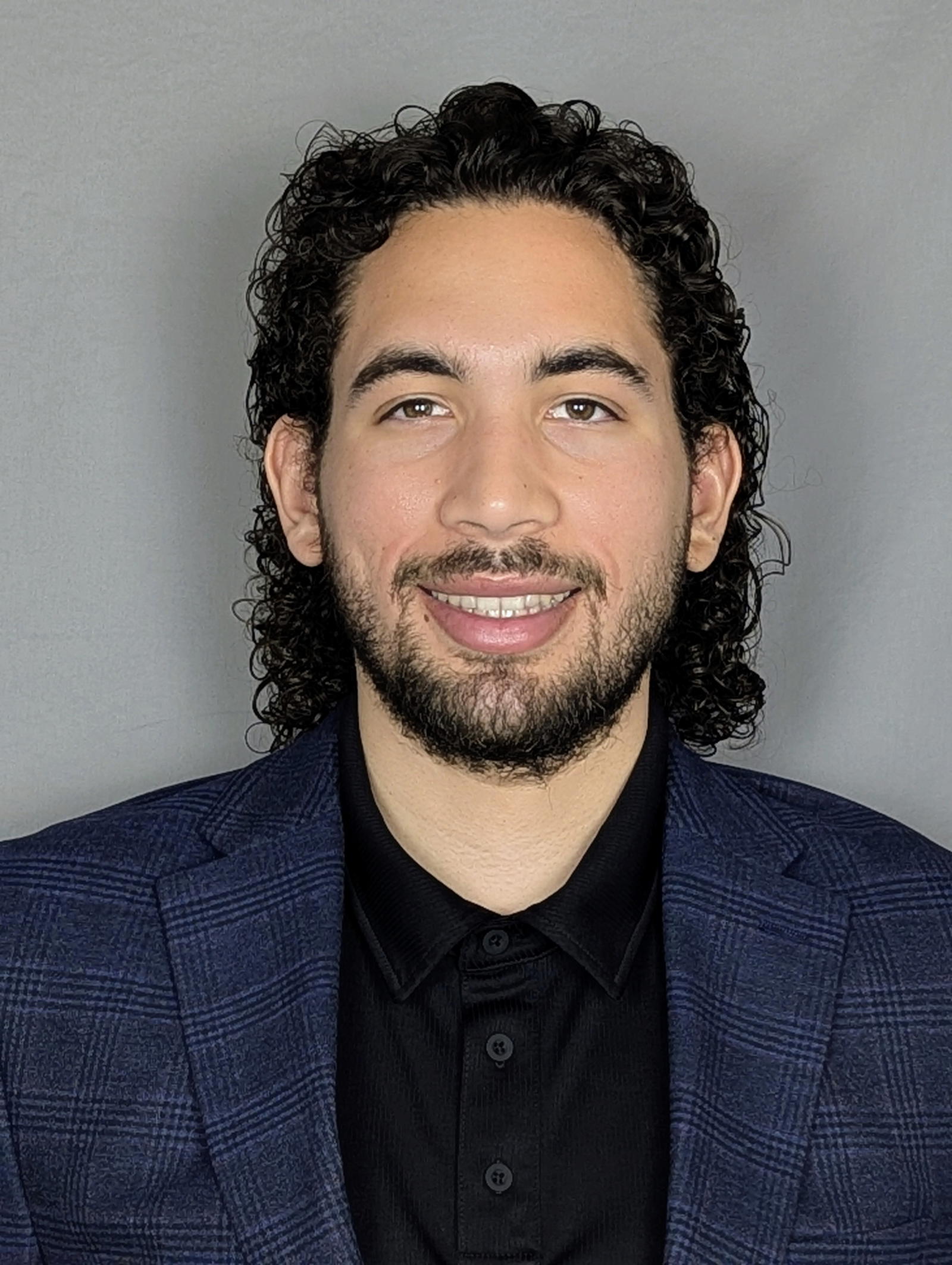

Boasting elite shot-making and a massive wingspan, the Kansas standout emerges as a premier scoring threat despite injury concerns, solidifying his status as a top-tier lottery target.
The Utah Jazz released their latest draft profile this week, turning their focus to Kansas guard Darryn Peterson and outlining why his blend of size, shot‑making and defensive activity has made him one of the most coveted prospects in the 2026 class. The profile, written by Eric Spyropoulos, highlights Peterson as a guard whose offensive polish and physical tools give him a clear pathway towards becoming an early impact starter in the NBA.
Spyropoulos opens the profile by noting the league‑wide premium on players who can create and convert their own shots, writing that “shot‑making is one of the most coveted skills in today’s NBA.”
Peterson, he argues, fits that mold after “thriving as a scorer at the guard position during his lone season at the University of Kansas,” where he showcased “elite 3‑point shooting and a high level of skill on the offensive end.”
Spyropoulos highlighted that “just about 65 percent of his 3‑point shot diet came off the catch,” where he connected on 43% of those attempts. He also hit 41% of his threes coming off screens or handoffs, which is a notable fit for a Jazz offense built around movement and off‑ball actions.
Peterson’s mid‑range game was also in focus as the profile notes he generated 10.7 mid‑range attempts per 100 possessions, which saw him land in the 95th percentile. To top it all off, the Jayhawk guard converted on 42.7% of those attempts.
Spyropoulos wrote that “the importance of a go‑to scorer having a mid‑range game becomes even more apparent” in playoff settings, and Peterson “flashed that ability on a consistent basis.”
The profile also addressed the more complicated part of Peterson’s evaluation. Injuries and full‑body cramping “hampered his ability to attack downhill and finish at the rim,” contributing to a 59.7% mark on limited attempts. But even then, Spyropoulos noted “flashes of impressive touch and craft,” with teams projecting improvement once he returns to full strength.
Another area of growth the profile noted was Peterson’s playmaking, as he only averaged 1.6 assists per game. Spyropoulos wrote that Peterson “rarely [made] advanced reads,” though his off‑ball role and defensive attention often took the ball out of his hands.
Defensively, however, Spyropoulos positively highlights that Peterson’s “recognition combined with a nearly 6‑foot‑10 wingspan” allowed him to disrupt passing lanes and protect the rim.
Nationally, The Ringer wrote that Peterson “carries with him aesthetic and biomechanical markers of some of the best shooting guards to have ever played basketball,” while ESPN called him “the most gifted scorer and shotmaker in the class.”
While the decision is still up in the air, with the draft approaching, it’s clear why Peterson remains one of the most heavily discussed options at No. 2.
