


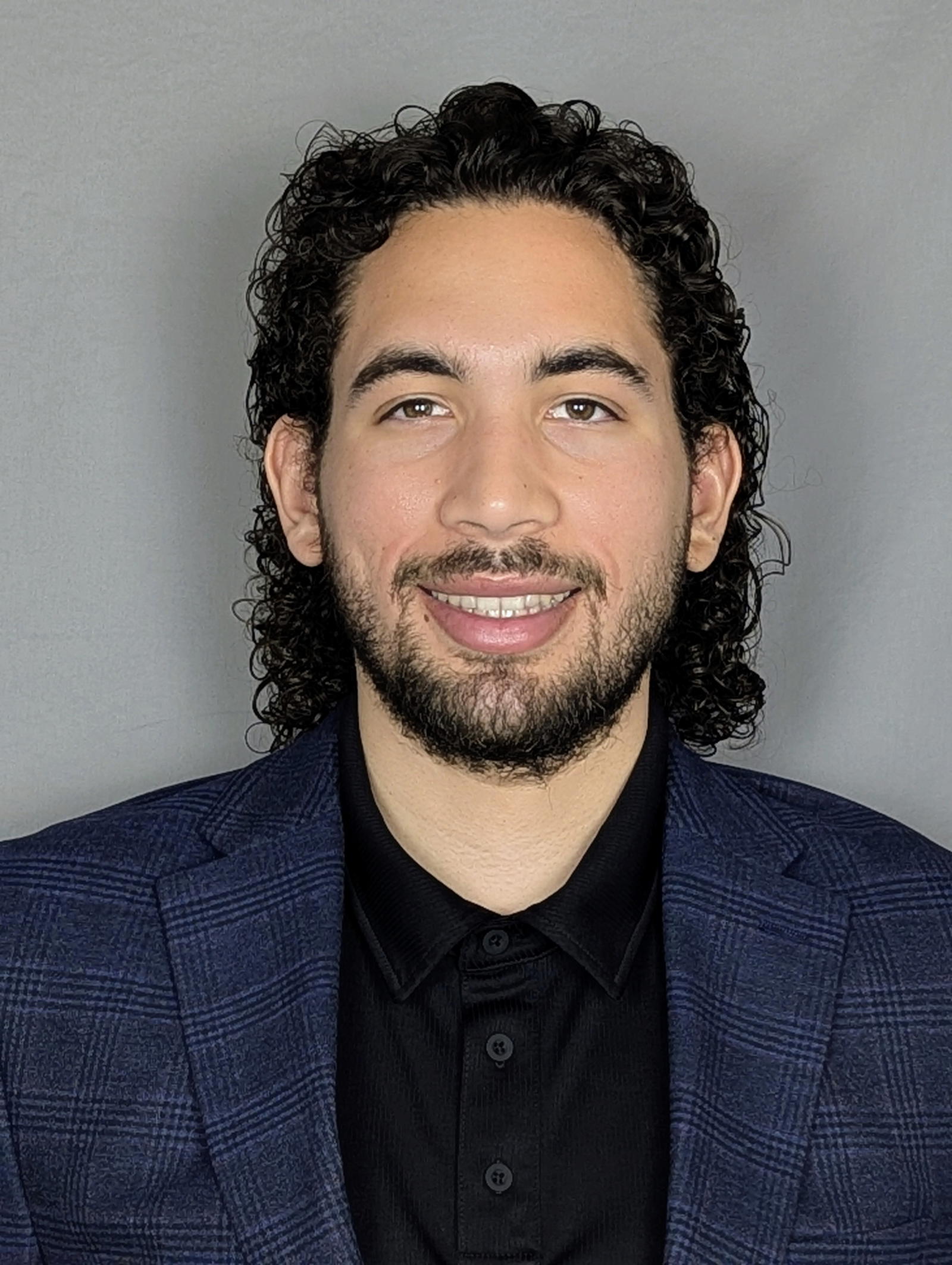

With a loaded frontcourt already in place, Utah potentially faces a franchise-altering crossroads between Darryn Peterson’s playmaking, AJ Dybantsa’s superstar upside or Cameron Boozer’s pro-ready make-up.
The Utah Jazz hold the No. 2 pick in the 2026 NBA Draft, and the conversation around their decision has narrowed to three positional pathways in guard, wing or forward. With the top of the class centered around AJ Dybantsa, Darryn Peterson and Cameron Boozer, Utah’s choice will shape the structure of its roster for the next decade and determine how the franchise builds around its established core.
The Jazz have quietly assembled one of the league’s strongest frontcourts as Lauri Markkanen, Jaren Jackson Jr. and Walker Kessler give Utah a blend of shooting, rim protection and interior presence that few teams can match on paper. As a result of that roster makeup, the decision is not a simple “best player available” debate, but rather it’s a choice that must balance talent, fit and long‑term roster construction.
Utah’s clearest need remains perimeter creation, which places Peterson, the most polished guard in the class, squarely in the conversation. Peterson’s size, pace and shotmaking give him the tools to become a primary initiator, and his defensive competitiveness fits the identity Will Hardy has tried to build. His connections to the franchise via BYU are also a much-desired aspect of his profile, as familiarity can help a player settle in much faster.
If the Jazz prioritize immediate roster balance and long‑term stability at the point of attack, Peterson is the easy choice.
The wing pathway focuses on Dybantsa, whose ceiling is widely viewed as the highest in the class. His size, shot‑making and defensive versatility give Utah a long‑term two‑way anchor that will be a catalyst for this new era’s postseason push. Dybantsa’s ability to create his own shot, guard multiple positions and grow into a high‑usage offensive engine makes him the archetype teams covet in the modern NBA.
If the Jazz prioritize upside, versatility and long‑term star equity, Dybantsa offers that, should he be available at No. 2.
The forward option is Boozer, whose analytics profile has surged in recent weeks, and his production, feel and physical maturity make him one of the safest prospects in the draft. But Utah’s frontcourt depth hinders the fit, and selecting Boozer would require rethinking long‑term lineup structure and potentially shifting roles for or moving on from Markkanen.
If the Jazz prioritize reliability, production and immediate impact, Boozer presents the strongest analytical case.
The Jazz can’t go wrong, but the direction they choose will surely define the next era of the franchise.
