



With a star-studded backcourt vying for possession, Portland’s new head coach must master a delicate balancing act to turn redundant offensive talent into a cohesive championship contender.
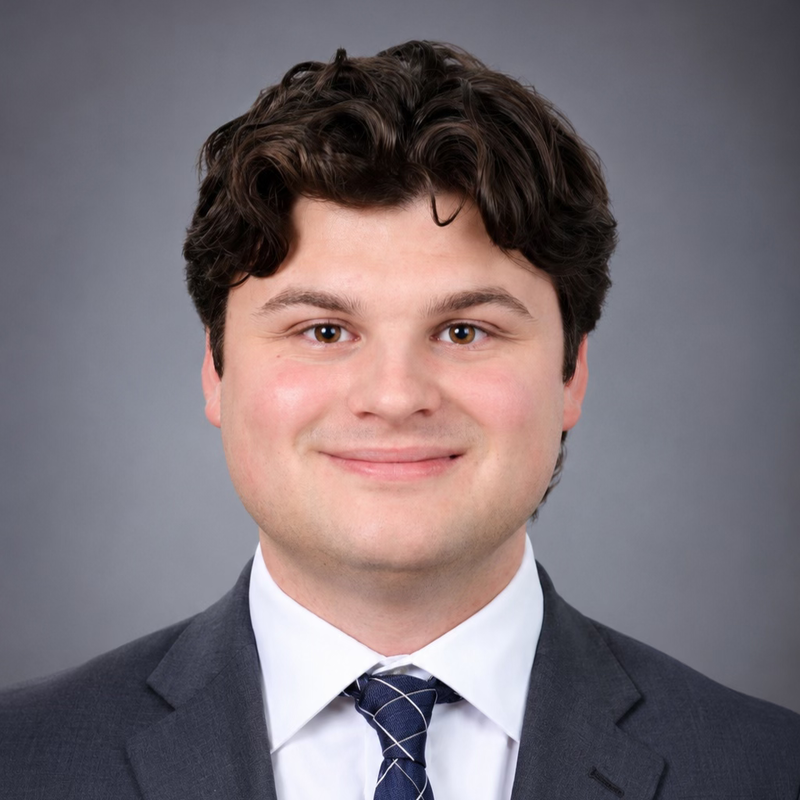
Micah Nori spent nearly three decades working toward his first NBA head-coaching job.
Now that he finally has it, the Portland Trail Blazers have handed him a roster that could make one of the hardest parts of coaching unavoidable almost immediately.
Somebody is going to have to sacrifice.
Portland has Ja Morant, Deni Avdija, Damian Lillard, Jrue Holiday and Scoot Henderson all capable of initiating offense. Shaedon Sharpe is coming off a 20.8-point season and could eventually reenter that equation once his injured knee allows it.
That's a lot of talent ... and only one basketball.
For Nori, figuring out who gets less may matter just as much as anything he draws up.
Portland spent last season discovering what Avdija could become with legitimate offensive responsibility. He averaged 24.2 points, 6.9 rebounds and 6.7 assists with a 29.3% usage rate, becoming an All-Star while helping push the Blazers back into the playoffs.
That's worth protecting, especially after Portland added Morant — another player whose game works best when he can attack, create and pressure a defense with the ball in his hands.
Henderson still needs some of that freedom, too. He averaged 14.2 points in 24.9 minutes during an abbreviated third season and is only 22. Lillard is working toward his return after a torn Achilles cost him all of last season, while Sharpe won't even be reevaluated until six months after meniscus surgery.
Holiday remains another established option.
Keeping everyone's old role intact isn't realistic — and I'm not sure Nori should even try.
Nori explained after taking the job that three-point shooting can't really be treated as one blanket skill. Some players are better catching and shooting. Others thrive coming off ball screens or creating particular looks for themselves.
The larger point was deployment: find what a player does best, then put him in position to actually do it.
That gets much harder when several players' best roles overlap.
Avdija can't spend an entire season standing in the corner because Morant arrived. Portland spent too much time unlocking his ability as an initiator to willingly stuff that part of his game back into the box. Henderson can't spend entire nights watching veterans control every possession if his development still matters, while Morant obviously wasn't acquired to become an occasional secondary creator.
There are ways to make it work.
Nori can stagger creators, let Henderson control bench-heavy stretches and continue giving Avdija opportunities to initiate next to Morant. Portland has enough talent to experiment instead of forcing everyone into one rigid structure.
What it probably doesn't have is enough offensive responsibility to keep everybody completely satisfied.
That's where Nori has to coach.
Good teams have hierarchy. Certain players initiate more. Certain players close. Roles change depending on matchups, and sometimes a talented player gets squeezed because another combination gives the team a better chance to win that night.
Portland spent years trying to build a roster talented enough for those decisions to become difficult.
Well ... mission accomplished.
Sharpe's absence gives Nori some runway to start sorting it out. He can learn how much of Avdija's creation translates next to Morant, identify stretches that still belong to Henderson and gradually determine what Lillard's next role should look like before the full version of Portland's rotation is available.
By then, Nori should have more than an offensive system. He should have a hierarchy — and a clear idea of which parts of each player's game are worth protecting.
For years, Portland's problem was finding enough players worth building around.
Now the problem is fitting them together without asking each one to become a lesser version of himself.
That's a much better problem to have, but it's still Nori's to solve.
