


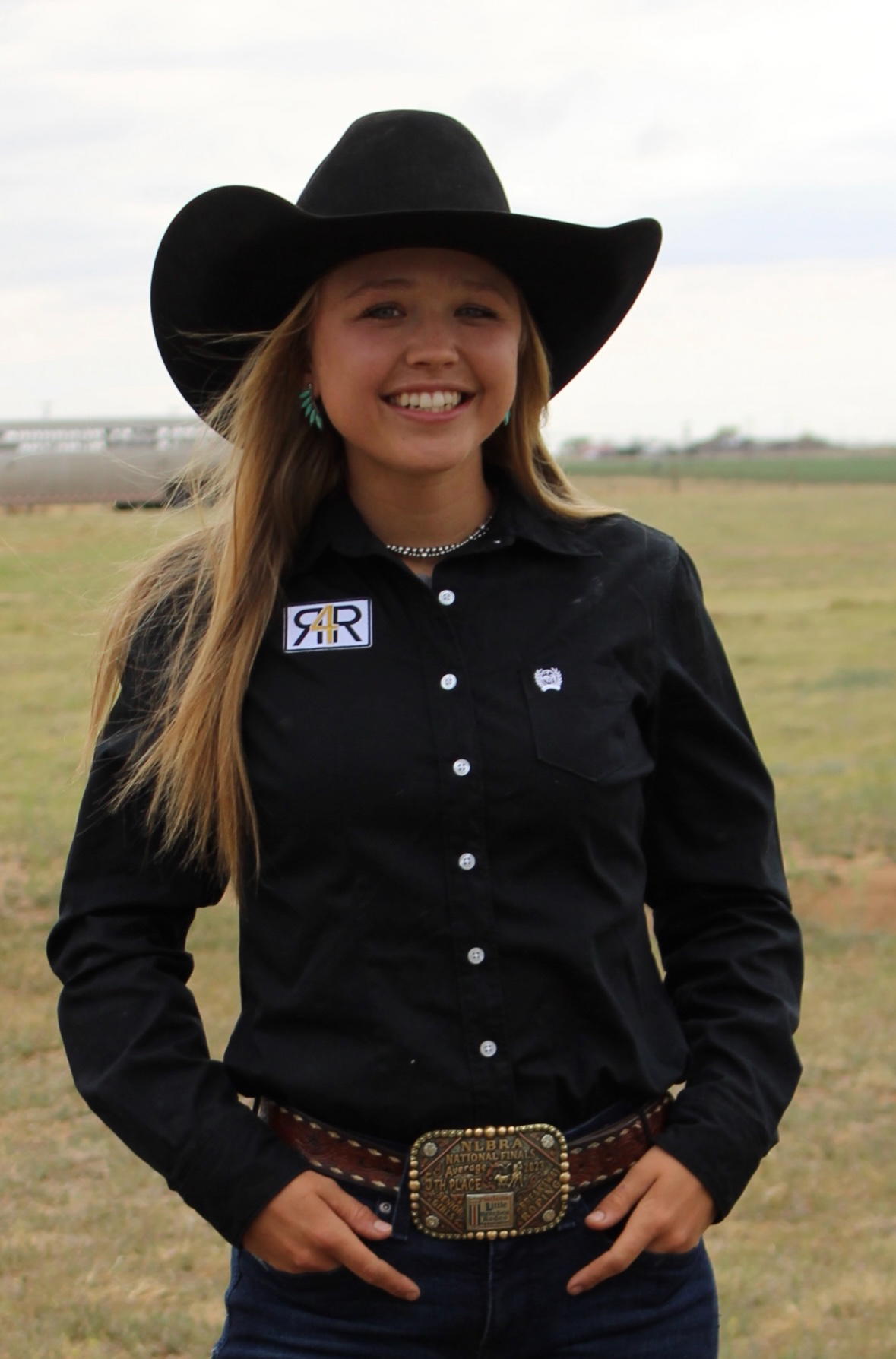

The spring semester is near and college rodeo programs across the country have released their spring schedules setting the stage for the race to the 2026 College National Finals Rodeo.
As the spring semester approaches, collegiate rodeo athletes across the country are preparing for an important stretch of rodeos. The National Intercollegiate Rodeo Association (NIRA) spring rodeo season is getting closer.
These spring rodeos play a critical role in determining regional champions, team standings, and individual qualifiers for the College National Finals Rodeo (CNFR), held annually in Casper, Wyoming. While the fall semester sets the tone, spring competition often decides everything.
Each NIRA region operates independently, hosting a series of rodeos across its geographic area. Contestants, part of a college team, earn points toward regional standings, with the top individuals and teams advancing to the CNFR.
For many of these student athletes, these rodeos represent not only postseason qualification opportunities, but preparation for future professional rodeo careers too.
The spring schedule spans from February through May, with regions stretching coast to coast. from Many of these rodeos are hosted by universities with long-standing collegiate rodeo traditions, while others rotate among regional sites to accommodate travel and livestock logistics too. There is a lot that goes into producing a rodeo.
Below is a complete look at the upcoming spring 2026 NIRA rodeo schedules by region, including dates and host locations. Each region’s schedule reflects its unique geography and competitive landscape, all pointing toward the goal of a CNFR qualification.
Big Sky Region
The Big Sky Region includes Montana and Wyoming-based programs across the wide-open northern plains.
- Montana State University #1 — April 9–10, 2026 — Bozeman, MT
- Montana State University #2 — April 11–12, 2026 — Bozeman, MT
- Montana State University Northern — April 17–18, 2026 — Havre, MT
- Miles Community College #1 — April 23–24, 2026 — Miles City, MT
- Miles Community College #2 — April 25–26, 2026 — Miles City, MT
- University of Montana — May 1–2, 2026 — Missoula, MT
Caprock Region
Texas and New Mexico schools are competing across the Southern Plains in the Caprock Region. This is one of two of the new regions after the Southwest Region was split after last season.
- TBA – Spring 2026 schedule pending
Central Plains Region
Kansas and Oklahoma schools battling for CNFR spots.
- Kansas State University — February 19–22, 2026 — Manhattan, KS
- Fort Scott Community College — March 13–15, 2026 — Fort Scott, KS
- Garden City Community College — March 27–29, 2026 — Garden City, KS
- Southwestern Oklahoma State University — April 9–11, 2026 — Weatherford, OK
- Fort Hays State University — April 16–18, 2026 — Hays, KS
- Oklahoma Panhandle State University — April 23–25, 2026 — Guymon, OK
Central Rocky Mountain Region
Wyoming and Colorado schools make up the Central Rocky Mountain Region.
- Gillette College — March 20–22, 2026 — Gillette, WY
- Eastern Wyoming College — March 27–29, 2026 — Torrington, WY
- Colorado State University — April 3–5, 2026 — Loveland, CO
- Casper College — April 17–19, 2026 — Casper, WY
- University of Wyoming — April 24–26, 2026 — Laramie, WY
Grand Canyon Region
Arizona and other parts of New Mexico come together to form the Grand Canyon Region.
- University of Arizona — March 7, 2026 — Tucson, AZ
- Central Arizona College #1 — March 14, 2026 — Casa Grande, AZ
- Central Arizona College #2 — March 15, 2026 — Casa Grande, AZ
- Cochise College — March 28–29, 2026 — Fort Huachuca, AZ
- New Mexico State University — April 10–11, 2026 — Las Cruces, NM
- Grand Canyon Regional #2 — April 23–24, 2026 — Prescott, AZ
- Grand Canyon Regional #3 — April 24–25, 2026 — Prescott, AZ
Great Plains Region
The Great Plain Region includes midwestern programs across Iowa, South and North Dakota, and Nebraska.
- Iowa State University — March 27–28, 2026 — Ames, IA
- South Dakota State University — April 10–11, 2026 — Brookings, SD
- Black Hills State University — April 24–25, 2026 — Spearfish, SD
- University of Nebraska–Lincoln — May 1–2, 2026 — Lincoln, NE
Lone Star Region
The Lone Star Region is the second newly formed region. It is a fully Texas-based competition and one of the deepest collegiate rodeo regions. There are some fun new rodeos planned for this region.
- Lone Star Regional #1 — February 2–4, 2026 — Fort Worth, TX
- Lone Star Regional #2 — March 5–7, 2026 — San Antonio, TX
- Ranger College — March 26–28, 2026 — Sweetwater, TX
- Lone Star Regional #3 — April 9–11, 2026 — Pecos, TX
- Tarleton State University — April 16–18, 2026 — Stephenville, TX
Northwest Region
Pacific Northwest programs also form their own region.
- TBA – Spring 2026 schedule pending
Ozark Region
Programs across Kentucky, Tennessee, Mississippi, and Arkansas form the Ozark region.
- Murray State University — March 5–7, 2026 — Murray, KY
- East Mississippi Community College — March 12–14, 2026 — Meridian, MS
- Pearl River Community College — March 19–21, 2026 — Poplarville, MS
- University of Tennessee–Martin — April 9–11, 2026 — Martin, TN
- Arkansas Tech University — April 16–18, 2026 — Searcy, AR
- Northwest Mississippi Community College — April 23–25, 2026 — Senatobia, MS
Rocky Mountain Region
Utah, Idaho, and Colorado schools compete in the Rocky Mountain Region.
- College of Southern Idaho — March 13–14, 2026 — Twin Falls, ID
- Snow College — March 20–21, 2026 — Salina, UT
- Weber State University — April 10–11, 2026 — Ogden, UT
- Colorado Mesa University — April 17–18, 2026 — Grand Junction, CO
- Utah Valley University #2 — April 24–25, 2026 — Spanish Fork, UT
Southern Region
The Southern Region is another Texas-based region with deep collegiate talent.
- Texas A&M University — February 20–21, 2026 — College Station, TX
- East Texas A&M University — March 20–21, 2026 — Commerce, TX
- Trinity Valley Community College — April 3–4, 2026 — Athens, TX
- Hill College — April 10–11, 2026 — Hillsboro, TX
- Wharton County Junior College — April 17–18, 2026 — Wharton, TX
West Coast Region
The West Coast Region hosts some of the most exciting rodeos of the year in California!
- Coalinga College — March 27, 2026 — Coalinga, CA
- Allan Hancock College — March 28–29, 2026 — Santa Maria, CA
- Cal Poly State University #1 — April 10, 2026 — San Luis Obispo, CA
- Cal Poly State University #2 — April 10–11, 2026 — San Luis Obispo, CA
- West Coast Regional #1 — May 8, 2026 — Corning, CA
- West Coast Regional #2 — May 9, 2026 — Corning, CA
What’s Next?
As the spring semester gets underway, these rodeos will shape regional standings and determine who advances to the 2026 CNFR. Stay tuned for continued college rodeo coverage, including updated standings and postseason qualifiers as the college rodeo season builds toward its biggest stage.