


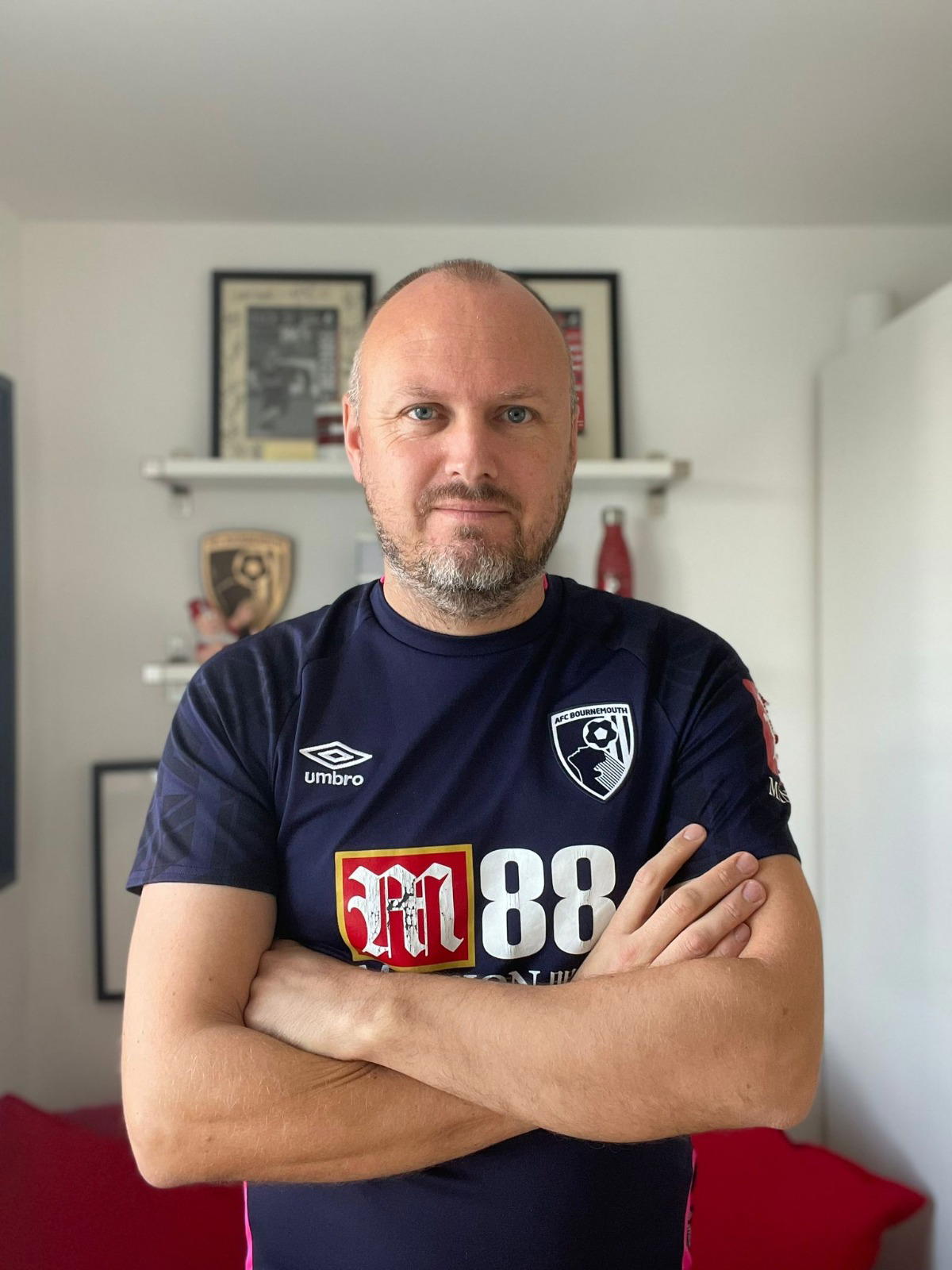

AFC Bournemouth’s stadium expansion will boost revenue with premium hospitality like Club 1899, but forces some fans to relocate, highlighting the tension between tradition and financial survival in modern football.
AFC Bournemouth’s stadium redevelopment is gathering pace, but behind the glossy language of “premium experiences” and “exclusive lounges” lies a more complicated reality for supporters.
As reported previously, the club have confirmed that work is due to commence on the expansion of the Vitality Stadium to a capacity of over 20,000 by the 2027/28 season - and as such, a new range of hospitality packages will be introduced from the 2026/27 campaign.
These will include high-end dining experiences, enhanced lounges and prime seating options — all designed to maximise matchday revenue.
However, the changes are not without consequence. A number of existing supporters will be required to relocate to accommodate the expansion of these premium areas, with some long-standing fans facing the prospect of giving up seats they have held for years. For many, it is another example of the modern game edging further away from its traditional, community roots.
Club 1899 Premium Lounge
The introduction of the “Club 1899 Premium Lounge” — offering three-course dining, inclusive drinks and halfway-line seating at prices starting from £6,750 per season — underlines the direction of travel.
It is being positioned as an exclusive matchday experience which combines high-end dining with some of the best seats in the stadium. Guests will be welcomed with a drink before enjoying a three-course, à la carte meal — with a breakfast-themed option available for early kick-offs — alongside a full range of premium beers, wines, spirits and soft drinks.
 REUTERS/Al Drago/File Photo
The package also includes dedicated table service and appearances from former club figures, adding a personal touch to the occasion, before supporters take their place in padded seats close to the halfway line to watch the match unfold.
An uncomfortable reality of modern-day football
While such offerings may appeal to corporate clients and wealthier supporters, they inevitably come at the expense of more affordable access. The club are keen to underline though, that the percentage of hospitality seats will not change - there is 6% of hospitality now, there will be 6% when the stadium is complete.
Uncomfortable as it may be, the perceived "shift" in focus reflects the financial realities of the Premier League. Clubs like Bournemouth, who operate with one of the smallest stadiums and fanbases in the division, are under increasing pressure to find new revenue streams simply to remain competitive.
Matchday income remains a crucial pillar of sustainability, particularly for clubs (like Brentford, Brighton and Palace) without the global commercial reach of the league’s elite. Expanding hospitality — where margins are significantly higher than general admission — is one of the few viable ways to bridge that gap.
Future-proofing AFC Bournemouth in the top-flight
In that context, the redevelopment of the Vitality Stadium is not just about improving facilities, but about future-proofing the club. Increased capacity alone will help, but it is the addition of premium offerings that could make a meaningful difference to Bournemouth’s ability to compete financially.
There is, then, a delicate balance to strike. The club must ensure it retains the identity and atmosphere that have become its hallmark, while also embracing the commercial opportunities required at the top level.
For supporters being asked to move, that balance may feel skewed. But for AFC Bournemouth as a side striving to hold its place in one of the world’s most demanding leagues, the move towards enhanced hospitality is less a choice — and more a survival tool.