


Even with his power and pedigree, Munetaka Murakami isn’t the kind of high-risk bet the rebuilding White Sox can afford right now.
Japanese first baseman Munetaka Murakami has officially been posted by the Tokyo Yakult Swallows and is now eligible to sign with any Major League Baseball team.
All 30 MLB clubs will have 45 days to negotiate with Murakami, and you can expect nearly all of them to at least make an introductory call.
Murakami hit 56 home runs in 2022 — when he was just 22 years old. Now 25, he’s already a Triple Crown winner, league MVP, and a key part of Japan’s 2023 World Baseball Classic championship team.
Given his age, pedigree, and position, it’s easy to see why White Sox fans have had Murakami on their radar for a while. The Sox need a first baseman — ideally one who can anchor the lineup for years and mesh with the young core already in place.
Chicago also needs power. Murakami has it in droves.
While the White Sox haven’t historically been active in signing Japanese players, Chris Getz recently hired an international scout focused solely on the Asian markets — a much-needed step for a front office trying to modernize its scouting and player-development approach.
On paper, Murakami looks like a perfect fit.
But the White Sox have no realistic shot at landing him this offseason. And maybe that’s not the worst thing.
Understanding the Rules
International Amateur System (Bonus Pool)
Players under 25 years old and/or with fewer than six years of professional experience in a recognized foreign league (like NPB, KBO, or CPBL) are treated as amateurs by MLB. That means:
- They fall under MLB’s international bonus-pool system, which limits teams to around $4–6 million total to spend on international amateurs.
- Players can only sign for a small signing bonus and the league-minimum salary.
A prime example of this is Shohei Ohtani, who came over at age 23, with fewer than six NPB seasons. That made him subject to the amateur cap. The Angels could only offer a $2.3 million bonus plus the minimum salary. If Ohtani had waited until 25, he could have made hundreds of millions.
Professional Free Agent / Posting System
Players who are at least 25 and have six or more years of professional experience in a foreign league are treated as full professionals. They can sign for any amount, just like MLB free agents.
When a Japanese team “posts” a player, the MLB team that signs him must pay a posting fee — roughly 20% of the total contract value, though it scales by tiers.
Yoshinobu Yamamoto is a great recent example. He was 25 and had six NPB seasons when he was posted in 2023. That’s why he was eligible for a true open-market deal — and why the Dodgers paid him $325 million.
Murakami is now a professional free agent, meaning he’s eligible for a true open-market contract. That instantly prices out many small- and mid-market clubs.
It’ll come down to the usual suspects — Dodgers, Mets, Yankees, and maybe a wild card like the Giants or Red Sox. Murakami is expected to command close to (or even above) $200 million. There’s no chance Jerry Reinsdorf comes anywhere near that number.
Why Sitting This One Out Might Be Smart
Murakami hit .273 with 22 home runs this past season in Japan — a far cry from his .318 average and 56 bombs as a 22-year-old. His numbers have dipped sharply, and the reason is clear: there’s a hole in his swing that’s being exposed.
Last season, Murakami batted just .095 against pitches 93 mph or faster in NPB. That’s a red flag — and it’s not something that magically improves in MLB, where high velocity is the norm.
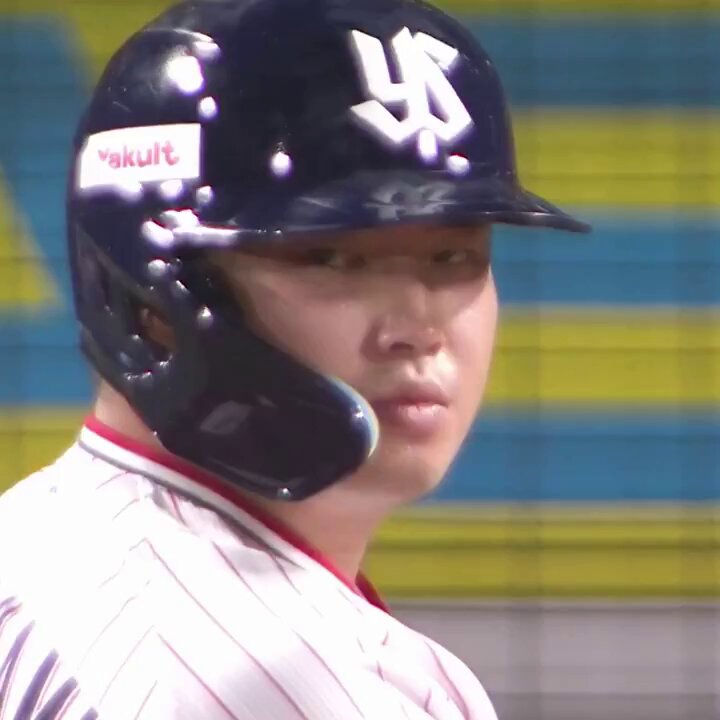
Giving more than $200 million to a player whose value is almost entirely tied to his bat — and whose bat might not translate — is a gamble the White Sox can’t afford to make. You can live with a bad contract if the player still brings defensive value. But a first baseman with no glove and an uncertain offensive profile? That’s a potential setback for a team still rebuilding its foundation.
Sure, it’s discouraging that the White Sox aren’t in a position to take these kinds of swings. And maybe Murakami will go on to become a superstar in the States.
But this one’s far from a sure thing. For a team trying to build sustainably, missing out on Munetaka Murakami might actually be a win in disguise.