


Mize showcases remarkable consistency, dominating hitters with a steady fastball and potent splitter. His flawless outings reveal a pitcher hitting his stride.
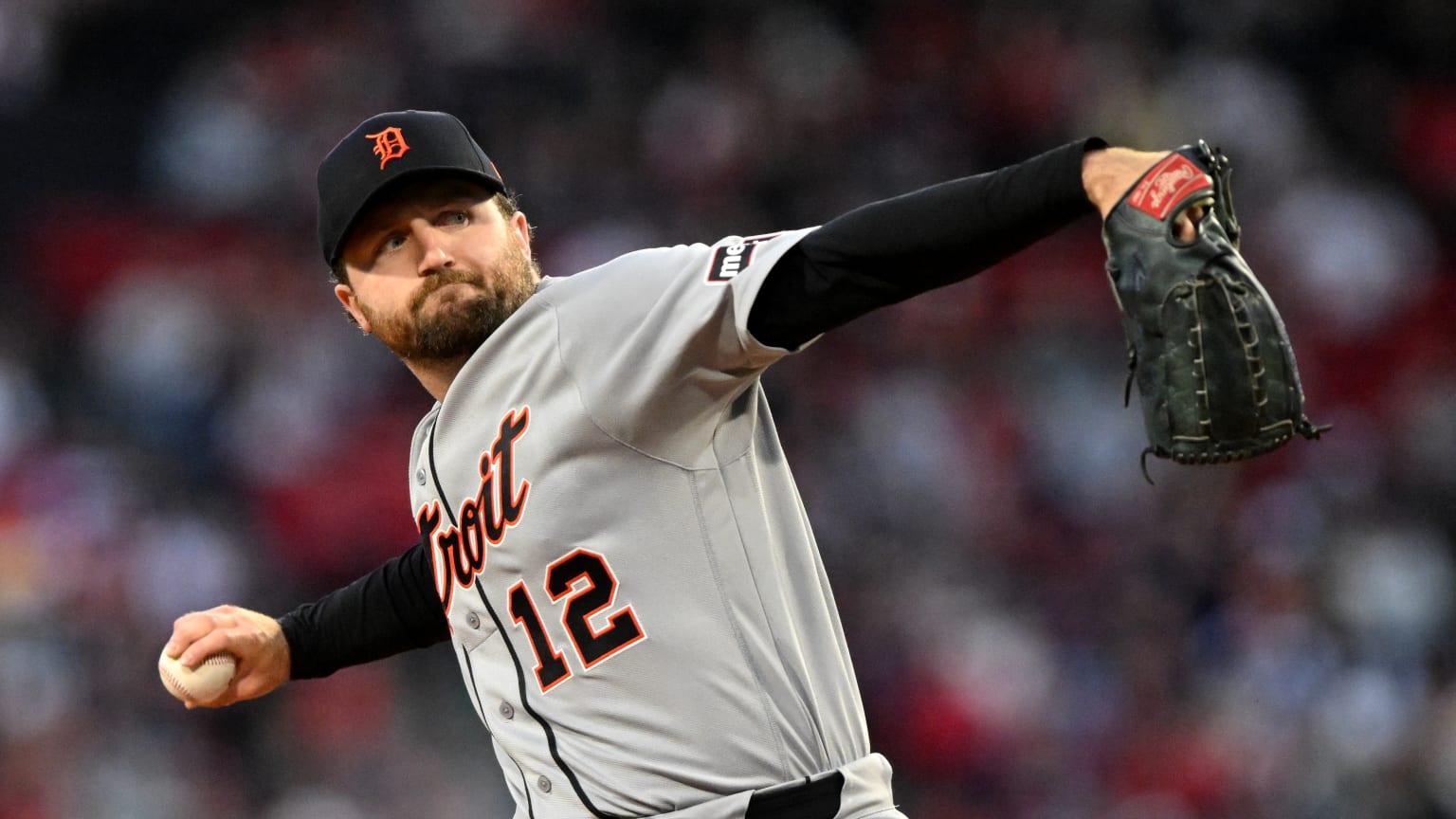
If there’s a consistent theme with Casey Mize right now, it’s repeatability. His scoreless outing at Fenway Park fits cleanly alongside his previous two starts, giving him a run of three straight quality starts where the underlying data matches the results, keeping the Tigers in the game despite the 1-0 loss in extra innings.
Against Boston, Mize worked six-plus innings without allowing a run, striking out seven while giving up just three hits. He stayed in control throughout, finishing with a 62% strike rate and getting ahead early with a 65% first-pitch strike rate. It wasn’t overpowering in a traditional sense, but it was efficient and steady—something that’s becoming typical for him this year.
Fastball Usage and Early Count Control
Mize’s four-seam fastball led the way again, accounting for 44% of his pitches at 94.0 mph—about a tick above his season average. He used it to establish counts, particularly early, and generated a 34% called strike plus whiff rate. While there were a couple of hard-hit balls, the overall damage was limited, and he kept hitters from getting extended stretches of quality contact.
That approach mirrors his previous two starts, where he also leaned on the fastball early to set up his secondary pitches rather than relying on it as a put-away option.
Splitter Remains the Separator
The splitter continues to be his most reliable swing-and-miss pitch. Thrown 33% of the time, it produced a 30% whiff rate and drew swings outside the zone at a 60% clip. Hitters haven’t been able to square it up consistently, and that’s been true across all three outings in this stretch.
In each of his last two starts prior to Boston, the splitter played a similar role—used both as a chase pitch and as a way to finish at-bats once he got ahead. The consistency of its movement and location has been a key factor in limiting extra-base damage.
Slider Usage Rounds Out the Mix
Mize’s slider was used less frequently (14%) but was effective when called upon, generating a 62% called strike plus whiff rate. It helped him steal strikes and avoid predictable sequencing, especially against left-handed hitters.
This lines up with how he’s handled those previous outings as well—keeping the slider as a complementary pitch rather than overusing it, but still trusting it in key spots.
Carryover From Previous Starts
Looking at the broader stretch, the similarities stand out:
- Three straight quality starts, all at least six innings
- Strike rates consistently above 60%
- Limited hard contact and controlled pitch counts
- Stable velocity across outings, particularly with the fastball
In his two starts prior to Boston, Mize worked deep into games with comparable efficiency, limiting walks and keeping his pitch mix balanced. The results weren’t built on one dominant inning or a spike in strikeouts—they were built on maintaining the same approach throughout. 14 swings and misses, similar to that September outing.
A More Stable Version
There’s less fluctuation start-to-start right now. The pitch usage, velocity bands, and command have all held steady, which is a change from earlier periods in his career. He’s not needing to adjust mid-game as often, and that’s helped him stay ahead of hitters more consistently.
For Detroit, this stretch is less about a single standout performance and more about what it suggests going forward. Mize is giving them length, keeping them in games, and doing it with a repeatable plan.
That’s what this outing at Fenway represents—it’s not an outlier. It’s another data point on a stretch where the process and results are lining up. It's his third quality start of the season. For those who are not familiar with that, it's when a pitcher throws six innings or more and allows less than three earned runs. That will do nicely.
Follow me on "X" @rogcastbaseball