


© Kamil Krzaczynski-Imagn Images

Jun 29, 2026 12:00 PM
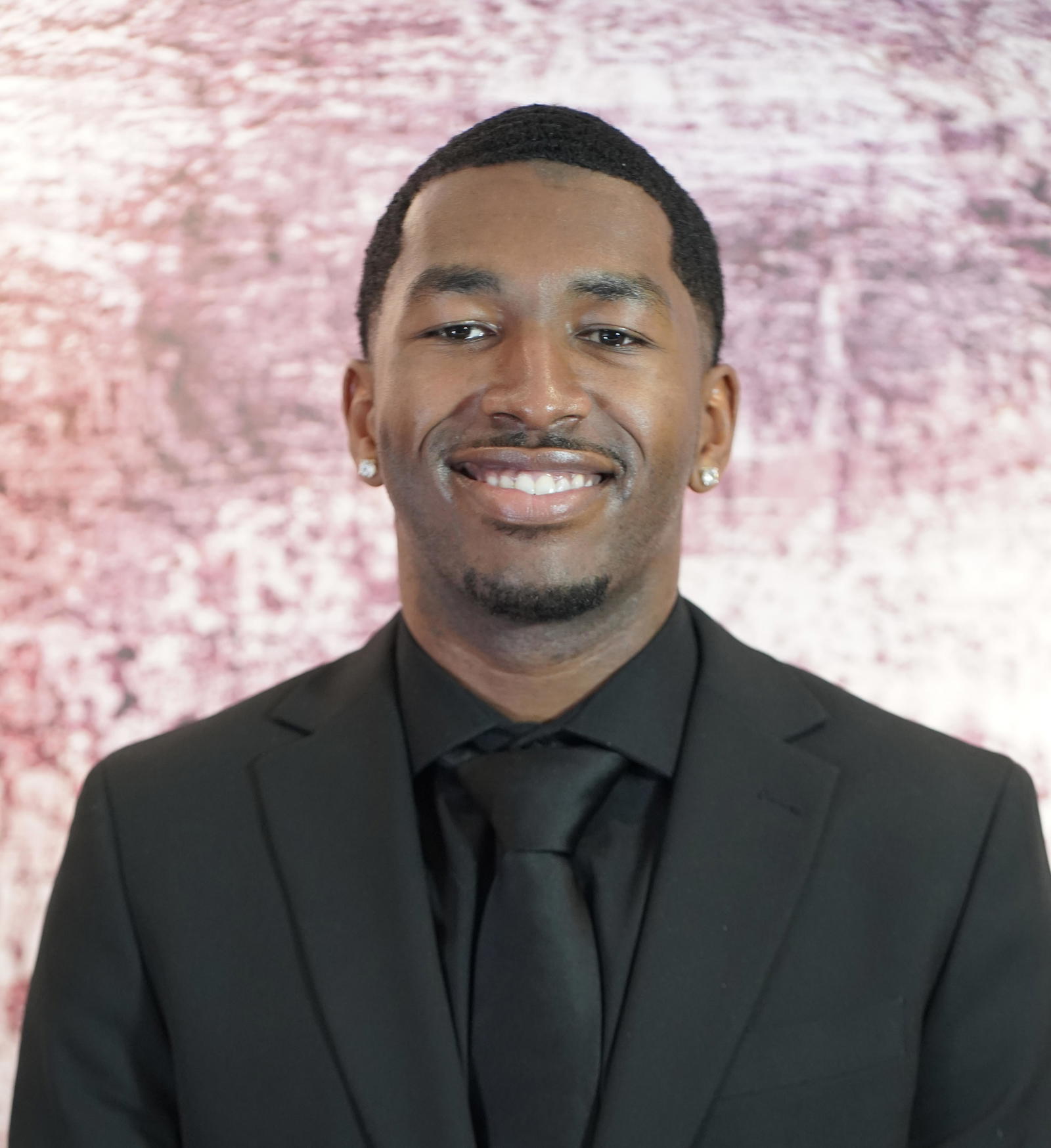
Chicago Bulls executive Bryson Graham recently shared an interesting perspective on how Name, Image and Likeness (NIL) has changed the NBA Draft, specifically when it comes to evaluating second-round talent. During an appearance on the Waddle & Silvy podcast, Graham explained how the talent pool has shifted since college athletes began earning NIL money. “There aren’t as many names now because players are staying in college to make NIL…Like Ayo [Dosunmu] would not have come out [of college]. He would have made a boatload”.
I thought Graham made a great point. His philosophy when approaching the draft hasn't changed, but the pool of available talent certainly has. With more college players choosing to stay in school, NBA front offices simply don't have as many prospects to choose from, especially in the second round.
Before NIL, many players declared for the draft as soon as they thought they had a chance to be selected. Now, many prospects are choosing to return to school because the financial opportunity is too good to pass up. Some players are making just as much or even more through NIL than they would on a two-way contract or as a late second-round pick. From a business standpoint, it's hard to blame them.
When you look at the numbers, the difference is pretty eye-opening. There were 71 entrants into the 2026 NBA Draft, compared to 106 in 2025 and 195 in 2024. Before NIL became a reality in July 2021, the 2021 NBA Draft had 353 early entrants. That's a massive difference and shows just how much the landscape has changed over the last few years.
I'm not sure we'll ever see the draft reach those pre-NIL numbers again. As long as NIL continues to grow, I also believe this year's loaded draft class played a role in the lower number of declarations. Some players probably looked at the talent in this class and decided another year in college would improve their draft stock. If next year's class isn't viewed as being as deep, we could see that number increase slightly.
I also think today's players are approaching the draft differently. If you're not projected as a lottery pick or a solid first-round selection, staying in college often makes more sense. Players can continue developing their game while earning significant NIL money. From the college basketball perspective, I actually think NIL has been great for the sport. Fans get to watch star players stay on campus for two or three seasons instead of leaving after one year, and players have more time to develop before making the jump to the professional level.
The downside, however, is exactly what Bryson Graham pointed out. NBA teams now have a much smaller talent pool to choose from, especially in the second round of the draft. That means finding hidden gems in the second round has become even more difficult, making scouting and player evaluation more important than ever.
Comments

Powered by RoundtableAn AI/DeFi-powered Enterprise Media Operating System. Learn more at Roundtable.io.© Roundtable 2026. By using this site you agree to the Terms of Use and Privacy Policy