


© Shawn Dowd/Rochester D&C
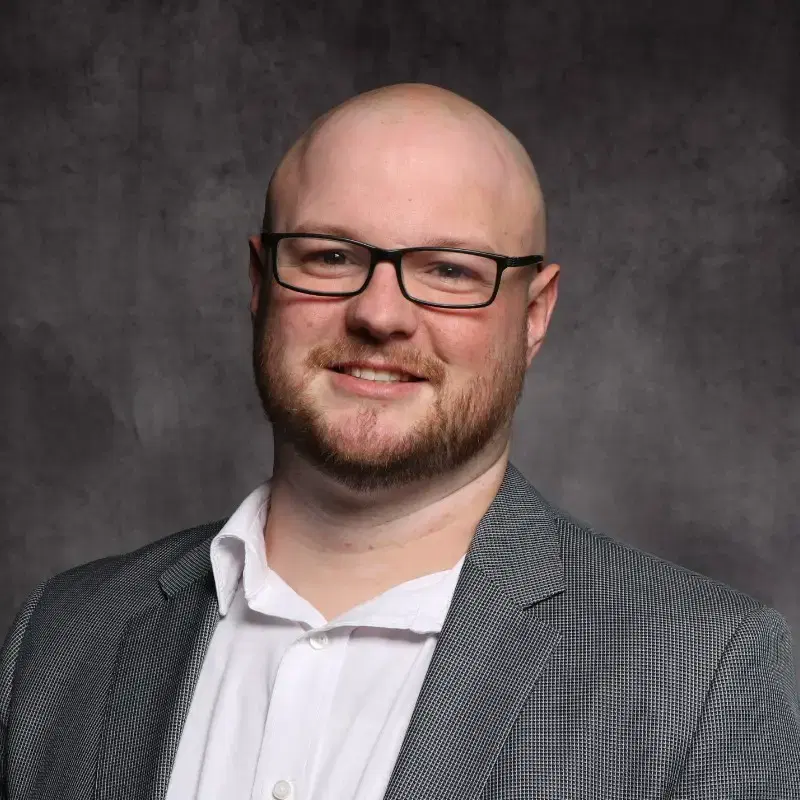

Jan 29, 2026 6:49 PM
The Buffalo Bills have officially introduced Joe Brady as the team's new head coach. Here's the full transcript of the press conference.
Joe Brady stood at the podium, showing raw emotion as he was formally introduced as the 21st head coach of the Buffalo Bills.
Brady has spent the last two-and-a-half years as Buffalo's offensive coordinator before being promoted to head coach. Now, with a five-year contract in tow, it's Brady's chance to build and coach the team in his own image.
Over the course of an hour, both Brady and General Manager/President of Football Operations spoke with the media and answered questions ranging from why Brady was the guy to how he plans to be different from Sean McDermott.
Below is the full transcript of the press conference for you to read.
Joe Brady Introductory Press Conference
Brandon Beane Opening Remarks:
Appreciate you guys all being here. It's a good little crowd, different little setting. I want to thank our entire Bill's staff that's here.
We just had a great meeting to kind of welcome Joe in there, but appreciate all of y'all's support. I want to thank our media for being here today as well. I want to thank our owner Terry Pegula and his family, Pete Guelli, Terrence Gray, Brian Gane, and Josh Allen for the extensive work, time, and energy that we all put in last week when we started this search to where we ended up with Joe.
I'd also personally like to thank the other eight candidates. This process was long, but it was informative. Learned a lot about how other people do things, how other teams do business, and took a lot of notes along the way.
There was a lot of brilliant football minds that we were able to spend a good amount of time with, including a 44-year-old quarterback that just came back and finished. That was a good one. But when we started this process, we were looking for a CEO type of head coach.
And so you may say, okay, what is, what do you mean by a CEO? And what I'm talking about is a fresh new vision for the Buffalo Bills. Somebody who values strong culture, collaboration, and alignment.
We wanted a highly intelligent, aggressive, and excellent communicator. We wanted alignment. Joe Brady is all of that and more.
We all know Joe. Joe is a brilliant offensive mind. He's led, you know, the two years that he had the full helm as our offensive coordinator, top five offenses.
He led the offense that produced an MVP quarterback a year ago. This past season, the NFL rushing champ. Joe's offenses know how to attack in many different ways.
And we all know that about Joe. But what I and our team learned through this process was Joe's vision for how he would run an entire football team. And specifically, his thoughts on how our defense would play under Joe if he was given this job.
He wants a defense that attacks opposing quarterbacks and play callers pre-snap and post-snap. A defense that dictates to the offense. And what I also learned about Joe through this process was his love for Buffalo.
His love for our community and the entire Bills Mafia. Joe is the perfect fit for our team right now. I am fired up to announce the next head coach of the Buffalo Bills, Joe Brady.
Joe Brady Opening Statements
I'm trying not to get emotional already. I didn't do well in the staff room. Thank you.
I want to first start with gratitude. I hope I'm loud enough someone will tell me in the back if I'm not. I want to thank, I want to first start by thanking Mr. Bagula and the Bagula family. Your commitment to this franchise, to this community and winning is evident in everything you do. When this opportunity came along, I didn't want to just be a head football coach. I wanted to be the head football coach of the Buffalo Bills.
Doing it with the right people, under the right direction, with the right alignment. Thank you for the trust you've placed in me and the responsibility to lead with you. I don't know where she is, but I want to thank my wife Lauren.
She's right in front. I thought she was going to be with the little baby. She's right in front.
I said hi to the guys, didn't even say hi to her. Off to a good start. I definitely can't look at you now.
This job demands sacrifice. I'm calling you on the way to a game while you're going into labor. I find out after a game that you go through, you give birth by yourself.
This game takes away time and energy and presence from you. You've carried the weight that comes with this job so that I can pursue my calling. Your strength, your belief, and your steadiness is the foundation that allows me to do what I do.
You believed in me long before this moment ever arrived. I am nothing without you, and I will not get anywhere ever in life without you. I didn't cry, so that's not going to go well.
To my parents, Joe and Jody, and my sister, Jacey, that are hopefully being babysitters somewhere in the back. Thank you for the foundation you guys gave me long before football. You taught me how to work, how to compete, how to take accountability, how to protect, how to treat others, how to stay grounded.
Everything I stand for as a coach started at home. I love you guys. I want to thank Brandon Bean.
So much respect for this interview process and how you handled it, not starting from the beginning, starting it and treating it. I've been fortunate to be in some of these interviews before, and that was the most intense interview I've ever been in, and I mean that with everything. But the way that you guys treated it and allowed me to be me, not worrying about what's happened to here in the past, and what we're focused on direction of the future.
I'm incredibly excited about our alignment, the communication that we have together in our collaboration, and I'm in this with you. Thank you. I want to thank my agent, Trace Armstrong, helping me navigate this process, being my sounding board and sweating it out until I got the news.
Lastly, I've been fortunate to be around a lot of incredible coaches in my career. I'm not up there without them. I played for Coach Jimmy Laycock.
I coached linebackers for Jimmy Laycock. I was a GA for James Franklin. Got an opportunity to be a coaching assistant with Sean Payton.
Opportunity to call plays with Ed Orgeron, Matt Rule, and coach quarterbacks, and call plays for Sean McDermott. I want to thank and recognize Sean McDermott. In 2022, four years ago, Coach McDermott gave me an opportunity of a lifetime.
I had an opportunity to come here, coach for the Buffalo Bills, and coach Josh Allen. I took a bunch of pride in that. Over the past four years, I've learned a tremendous amount of things from Coach McDermott.
How to lead, resilience, standards. The past nine years in this organization matter. I'm understanding of that.
I'm appreciative of the opportunity to be a part of it. They matter deeply and they deserve respect. I'm so grateful for Coach McDermott.
I love Coach McDermott. I'm going to do everything I can to continue to build upon the things that he laid and the foundation he laid. At the same time, we got to move forward.
I think it starts with a new energy, a new mentality, and a new vision. A new energy that I got to drive every single day. One thing is that the guys know about me.
It might be from espresso, it might be from Gatorade fast-twitches, but I'm going to bring the energy every single day. I believe people are going to feed off of that. I truly believe in being the temperature.
I'm the weather and they're going to feel it every single day. A mentality. I believe in everything about these guys right here.
And a mentality as we go forward that it is a nameless, faceless opponent that we're going against. They got to play us and not the other way around. I mean that with everything.
They got to play the Buffalo Bills. They got to play Josh Allen and the Buffalo Bills, not the other way around. And it does not matter the day of the week, the time of the day.
Is it outside? Is it inside? What's the weather?
Just put the damn ball down. Let's go play. And that's going to be the mentality that we play with.
That's Buffalo. And then a vision. I believe in communication, connection, accountability, and love.
I said this to the staff. Quiet teams don't win. Quiet teams do not win.
All right. And I'm going to everything in my power to have that communication line open in everything that I do. I believe in that.
And then love. Connected teams win. Connected teams win.
If you love the man next to you and you care more about his success than your own, that's when you're going to win football games. I understand that I'm walking into this role in a much better position than Coach McDermott did. I am not naive to that.
I also understand that the expectations are higher as well. I didn't take this job to shy away from expectations. I sure as hell did not do that.
I'm embracing it. I'm understanding it. And I'm meeting it full on.
I know what I signed up for, and we're going to embrace it because no one rises to low expectations. I want what the city wants. I want what Mr. Bogula deserves. Buffalo. Same thing as Buffalo. Buffalo isn't just where I work.
And this is a kid from South Florida. Buffalo is not just where I work. It's where my life changed.
There's nowhere else I'd rather be than right here, right now. And I mean that in my whole heart and my family. My wife and I got married while we've been living here.
We didn't even take a honeymoon right away so that we can spend our first summer here in Buffalo and experience in Buffalo. Both of my kids were born in Buffalo, and they're going to be raised their entire life to have so much pride and be able to say that they're from Buffalo. This city and this organization put so much life into me professionally, and I don't take that lightly.
I want to make the city proud every day, and I understand the pride, and I want to do everything I can to earn wearing this logo. The pride and passion of the Buffalo Bills is second to none. Bills Mafia.
I feel it. I felt it. There's no other place that when you travel there's unwritten rules that you have to wear Bills logos, and you go on an airplane and you swear that we're playing a home game the next day because it's completely full of Bills fans.
And the power that no matter where you are in the country, you can be in Italy, you can be in California, you can be across the world. That power that as you walk by someone and they're wearing a Bills logo, and the powerful words, I'm not saying much, but just saying go Bills. I believe in the Bills Mafia.
I have so much power and respect for it. I have so much respect for it, and I want to do everything I can to continue earning their respect and putting something on the field that they are proud of. Lastly, our players.
My guys. I'm so appreciative of you guys being here today. Thank you for allowing me to be myself, playing for me and being you with us.
I may be calling plays still, but I'm no longer the offensive coordinator, Max. The defensive and special teams guys one day, I can't wait to grow our relationship and deepen it and understand who you are and continue to grow that. And I can't wait to go out to practice.
And when you get a takeaway, be able to celebrate with you, just like I was talking a lot to you. I get to get after Spencer Brown the same way, and I'm in it with you guys now. I can't wait to do that.
I have so much confidence in the guys here. I have so much confidence in the rosters. It's almost confidence, confidence in the men right here.
Everything we will do will be centered around you having success and making sure that we're putting you in the best positions to have success. I tell my players all the time, I'm so grateful to get to do what I do, but I'm I'm more grateful to get to who I get to do it with. Everything I am is because of you guys.
And I'm going to work every, all I ever think about is making sure that you guys are successful. It is not about me. It is always about you guys.
And lastly, I talked about love. Josh, Josh always says it. If you love someone, let them know.
I love you guys. I'm gonna leave that with go bills. Thank you, boys.
Question And Answer Portion
Q: We see you've lost some coaches on this staff already. How far along are you in the process of replacing these coaches, specifically offensive coordinator and defensive coordinator?
Brady: Yeah, we're look, what's important to me is not just being in such a rush to put together staff, putting together a staff of the right people and surrounding them with different personalities, different ideas, different viewpoints. I don't want a lot of guys that just think like me. And it's important that every person that we put together on the staff, you then sit there, revaluate what else do we need with that?
And so I'm in the process of doing it with being. And I'm excited about the staff that we're going to put together for our players.
Q: You mentioned it during your speech, but you understand the challenges and the pressures that come with this job and what you're stepping into.What are the challenges that you face of carrying over the sustained success and the culture that Sean brought in?And how do you want, how do you go about carrying that over as you being that coach?
Brady: Yeah, well, the culture starts with them. When you watch, when you watch a guy that's playing with 17 sets the tone of the culture, right? The men in the locker room set the culture regardless of who the head coach is.
And it's my job to making sure that I'm allowing them to be their personality, allowing them to play to their personality, because that's what the culture is. Like I said, I understand the expectations that has come with this job, but it's important that we understand that this is going to be a new year and we have to start over. We don't just get to pick up where we left off and think that, hey, we're in the position that, hey, next week, we're going to be in the conference championship game.
And there's going to be a lot of work. I believe Mr. Boogal always says, we're going to work tirelessly with it. We're going to have the competitive stamina to start over.
But I'm excited about the direction that we have and the people that we have. And I believe in that.
Q: Brandon, when did you know? That Joe is your guy.
Beane: Yeah, it's funny. We interviewed Joe first and these were long interviews. Some teams that started earlier in the process kind of zoom some people for an hour, maybe hour 15 is a lot of those.
And then you hear about the second interview. We knew that we needed to kind of pair this field down best you could. I mean, nine people is still a lot.
But at the same time, you want to be thorough with the process. And so we kind of went through, we didn't, after each person went, we debriefed as a group and took notes and made sure to hear each other like what, because sometimes I may miss something. Oh, that's what he was saying there.
And so I would say when we got done with the last candidate, which ended up at about 10 o'clock one night, we stayed in there for another two hours, talked a little bit. And Joe was standing out. There were two or three that were standing out.
And we said, you know what, let's go to bed. We're tired. We came back the next day and we talked some more.
And we said, you know what, we did Joe. So Joe was starting to rise here as the guy. But we also know we know Joe.
And honestly, I almost think Joe had a tough hill to climb. As I was telling the staff earlier, when we started this process, I made sure, and you can ask anyone that was in the interview, Terry, Pete, Josh, anybody, Laura, that the best process is not to look at Joe Brady as someone in our building, because we know the good, the bad. It's like living with someone, right?
These other people, we don't know every single thing about them. And so we need to pretend, I think I said like that Joe's been coaching for the Green Bay Packers or something. And so I made Joe go through, we never met him before.
And there were some other candidates that we knew. I know we know you, start from scratch, because I may know something that Terry doesn't know or that Pete or Brian gain. So it's a long answer for you, Matt.
But I did not want to rush this process. And I wanted to be fair to every candidate. And so we got Joe back on a Zoom call.
And I called him, hey bud, we need more here. And so we wrote down the questions that we still had for Joe. And about halfway through that process, I was like, that's our guy.
But I still had to let Terry finish some questions too. Because I want to make sure he was on board and the approval. And Terry didn't even reach back over to me.
He's like, I think you're the next head coach. I was like, Terry, I got to talk to his agent. But it was a great process.
It was a thorough process. And as I said in my opening statements, I took so many notes. I've already shared some with Joe.
But it's great to peel back the onion of how different teams and how some of these, there were some smart, smart people. And I mean, you're always trying to learn. I learned way more than, I knew I would learn stuff, but I learned way more than I ever thought I would, you know, that I was missing.
And so we'll take those as advantages. And we'll talk about what we heard, what we like, and try and create this new vision for the, you know, the next iteration of the Buffalo Bills.
Q: Joe, what needs to change and how will you do it?
Brady: Yeah, I'm in the process of sorting through without getting into all the details. Like, there's a lot of things that, like I talked about, is I want to make sure that we continue to kind of own in on right now is the energy, the mentality, and our vision moving forward. I'm not necessarily focused on changing things as opposed to where do we need to go from here and just moving forward with that direction.
Q: That would have been a pretty short interview, though, if you didn't have ideas about what you want to implement. Can you share what you told during the interview process, what you want to do with this team?
Brady: Yeah, I think, look, through the interview process, like I said, it was an extremely intense interview. And look, Josh Allen was stoic in it. Like he, I made sure he didn't, I didn't talk to him for a week, which was, you know, I'm at edge, but he was making sure that he was removed from it.
And everybody in that room, I was appreciative of the professionalism, right? The premise of the interview was making sure that I was able to kind of talk about, not use it as a, hey, these are things that I would change. It's more of this is what I would do as a head coach.
And this is the vision I'm looking to do here. I think a lot of times we think that, hey, when you take over a place, you just have to change a lot. Sometimes it's just fine tuning some things.
But without getting into the details of the privacy of some of our conversations, I really want to make sure that our mentality and the vision that we're going to with the connection and the love and the communication is at the forefront.
Q: How did you plan to support Josh Allen's growth as a leader and a you know, what changes can you expect when you know what's most important to you when building a coaching staff?
Brady: Yeah, like every decision, every decision this organization makes, it's with the thought of Josh Allen, the players at mind. I'd be I'd be crazy not to. I was a part of incredible organizations in New Orleans with surrounding around Drew Brees.
And there wasn't a decision that was made without Drew Brees being being thought about, talked about and making sure you understood it doesn't mean it was always the decision. But it was important that he was involved in it because he is he is the leader of this organization and the weight that he has on his shoulders is something that I can't even imagine. Everything I think about is trying to find ways to put him in a position to have success because that's all I care about with him.
Josh Allen is the best player in the NFL, and I have to grow. Right. And part of me growing is that's going to allow him to be a better version of himself.
And I can't I'm so excited to be able to continue this journey with him. I have so much love for that man right there. And all I want is him to get everything that he deserves.
And that's what that's all I do for.
Q: At what moment for you during the interview process, do you feel that management said, this is our guy, that they're going to tell the players, this is our guy, that the fans are going to say, this is our guy?
What moment did it hit you that this is my job and I can do this?
Brady: Well, I knew it was going to be like I had the mindset it was going to be my job, but that was just because how I went into it, even when Terry offered me the job, I still thought he was asking me a question that, hey, so is this how I want to answer it? And so full transparency, I was I couldn't sleep for the last week. This is the job I wanted.
You know, when you interview first, you don't know you come away and you're like, hey, you know, I hope I can get another interview. I hope I get another opportunity. There's no like I said, this is where I wanted to be.
But there was never a moment where I walked away was like, hey, this is my job. You know, I thought, you know, they obviously did an incredible job making sure that they're doing it the right way. And that's that's what I wanted.
That's what I wanted. I had an opportunity to talk to Josh the other day, and I'm sorry, but like he let me know he's like, I didn't I didn't help you get this job. You got this job.
And that meant so much to me. And, you know, so there was never a moment, like I said, even after Mr. Pegula, I was still making sure I heard it correctly, but I was sweating it out the entire the entire time.
Q: Brandon, last week, it was seeming clear that the roster was felt to be strong enough, but maybe coaching is the reason that this team hasn't reached the Super Bowl. Why then was a choice who's been part of this coaching staff the right one to be the next head coach?
Beane: Yeah, I mean, I would say it wasn't like there was a finger pointing at coaching. So I would disagree with that, John. This is a collective thing.
We do this together. We all collaborate. And hopefully I was clear that, you know, Sean McDermott being dismissed or a change with coaching.
I feel guilt for that as well. There's things that I could do and that, you know, Joe and I will work together to make sure that we get corrected to get this thing over the top. So as I was saying earlier, if you viewed like I'm going to step back to myself.
So I was in in Carolina, started as an intern, grew my way up interim GM. And but some people still have a problem. They view you as what you were versus what you can be.
And so if you're in Joe's seat as the offensive coordinator, I'm only having conversations with Joe about the offense or his players or things like that. It's not a holistic view of how we talk about sports science or how we practice. That's not his area.
That's that was Coach McDermott's area. That will now be his area. So when we went into this process, that's why I thought it was very important to hear everything about we didn't need to spend long talking about his offense.
We know what that is. It was really talking about everything else. And we went down to what we're going to do on a Monday after we win a game.
What's the coaches going to do? What are the players going to do? What are we going to do on a Tuesday?
I mean, we spent probably 25 minutes, 30 minutes with each candidate, just going through every single detail of what this operation is going to be from right now through phase one, phase two, phase three training camp, how we're opening camp. We're going to be away. I told every candidate we go away.
That's what we do. So I want to hear how that works for you all the way down to the daily practice. When are we eating lunch?
Like, when are these guys eating? I think that was one of Josh's questions, but, you know, and I'll say this, like, to the point on, you know, I know people were opining on whether the quarterback should be in there or not, you know, that's one of those ones that he wasn't in there. People will be like, why are you not?
You know, the guy's MVP has been here. To me, it was his role in there was if there's anything we left out schematically, something he's got a question, like, we're not as deep into X's and O's as those guys are. And also, you know, I told Josh at the beginning, like, if there's someone you don't feel you mesh with or that our players is kind of a voice for the locker room, that would be silly for us to select that.
But when we had this last, like, Josh went in and had his foot fixed. He was not able to, you know, finish, but we didn't even have him in the process where we were discussing pros and cons of each candidate. He was just there to kind of hear and speak up when spoken to.
But again, I think ultimately, we never viewed Joe Brady as the offensive coordinator, just like when Brian Daboll was here. We obviously know Dabs. We didn't view him as that.
We viewed him as coming from somewhere else.
Q: What is your approach to defensive football and what type of qualities and style are you looking for in a defensive coordinator?
Brady: Yeah, look, the privilege that I've had of calling plays. You understand what keeps you up at night when you're calling plays. I feel like defensive football for so many years was just putting stress on quarterbacks.
You get to the line of scrimmage and they're putting stress on quarterbacks, pre-snap, post-snap. And nowadays, the type of, you know, the best defenses and the best minds are continuous all the way through the play call, putting stress on coordinators. You know, and it's not, no longer are you able to just know where guys are going to be, when they're going to be there.
And I think that that's, you know, a key element of what I'm looking for on a defense is making sure that we have the versatility to be able to change personnels, get a lot of different people in different spots, similar to what we do offensively. I don't believe offensive football and defensive football should have different mindsets. But we can understand as we approach a game plan that there's a way to win every game.
And as long as we have versatility and different type of pieces that we can find that way to win, to put stress on both the offense and the defense.
Q: With all the success you've had with the offense, Terry talked about the team hitting a wall in the playoffs. And you and the offense have been part of that with opportunities in the playoff games at the end, maybe to tie or to take the lead.
What responsibility do you feel for that and what do you feel needs to change when we talk about getting over the top offensively in those key moments?
Brady: Yeah, I'm just as responsible, right? That last football game, there was five turnovers. Those five turnovers were on me, and I'm understanding of that.
And the accountability that I think for you guys that have been a part of the press conferences, like when our guys play well, it's because of them, and when they don't, it's because of me. And we address things obviously in the meeting rooms, but the accountability, it is always going to start and end with me, especially in these settings. And so I take full responsibility for having the ball and the game on the line, and we didn't get it done.
And that's what I continue to strive every single day. We get that opportunity again. What am I going to do differently?
And that's part of the growth. I think the biggest thing is as we continue to progress year in and year out is we don't just sit there and just not evaluate our systems and not find ways to grow. Our offense, our defense, our special teams should never look the same year to year.
It has to grow. It has to evolve. Players change.
The game changes. And I think that that's the most important thing, or else we're going to continue to get the exact same results.
Q: Brandon, you've mentioned alignment. You've mentioned collaboration a lot. How does that look to both of you?
What does it mean, alignment and collaboration, when it comes to personnel, selecting players, players on the roster, how does that look to both of you going forward?
Brady: Alignment doesn't mean agreeing and everything. Alignment to me means we're both open in open conversation and communication and understanding that we don't have to be yes men, but when we make a decision, when that door opens, there's no going backwards and there's no second guessing and we're going all out with it.
To me, that's alignment. Alignment is a shared vision for what we want and making sure that we don't ever lose sight of that when we make decisions. When I say, hey, Josh Allen and the guys are always at the forefront of exactly when we make every decision, that's alignment and making sure as we evaluate and as we continue to go, when we're going to make decisions, we don't lose sight of that.
That, to me, is alignment.
Beane: Yeah, I mean, without repeating, I think he nailed that. You're collaborating. It's not like, hey, I'm going to go over here with my scouts and my personnel staff and we're going to tell you who you got or we're going to hand you the players.
First off, when he gets this new staff in here, what are we changing? What are we tweaking? If it's something, hey, we want this type of defense.
We want to be able to do this in certain situations. These players all fit that, but this player might not fit as well, and we need to look for that. So once we get those coordinators in, especially on the defense, because I kind of got a pretty good vision of Joe's offense, but defensively, bring that coordinator in.
Bring those position coaches in and go through the position specifics and how they want to do the things that Joe was talking about, how we want to attack, and that's collaborating in a shared vision. And listen, if there's something that Joe doesn't think makes sense, he's going to speak up. If there's something that I don't think makes sense, I'm going to speak up.
But we're going to collaborate on every part of it. And then what we do as scouts and personnel, and our guys do it for me, they help narrow down a large field, like let's just talk about free agency, down to a smaller field. I'm going to review that, look at them, make sure.
I may say, hey, guys, you left somebody out, or why is this guy in? And then, because Joe's got a lot of – then I'm going to go to Joe and his coordinators and say, hey, take a look at these guys. Let me know how you see them.
This is how we see them. And if we agree, that's great. That's easy.
We know we can pursue them. But if we don't agree, we may sit in a room and say, tell me what you see from your lens as a coach, but also hear what I see from a personnel's eyes. Because we don't get into schemes.
A lot of times coaches don't get into schemes. We're just like looking at his body type. He's got long arms.
He can jump high, like all those things. And sometimes we may miss something. Hey, this guy's got some instinctual things that I'm worried about.
You know, that can come up. So I'm getting granular, but I hope you understand that is – it's everything in the process. Hey, when we get to talk about training camp, which I mentioned, like how do we want to practice at camp?
How do we want to get with our sports science people and make sure we're building the right team that's fast, physical, calloused, yet healthy? And so that's alignment. That's collaboration, shared vision.
Q: For the last couple years you've been coordinating offense for someone else's team. What changes now that you're going to run an offense for your own team?
Brady: I think the biggest thing is understanding that when you're the play caller, you're understanding of – as an offensive play caller, everything you're going through is thinking situational football, right? You're having the mindset of, hey, I'm calling this play. This is what's happening next.
I think the biggest thing is understanding that when you're the play caller, you're understanding of – as an offensive play caller, everything you're going through is thinking situational football, right? You're having the mindset of, hey, I'm calling this play. This is what's happening next.
I'm trying to stay ahead of it all. When you're an offensive play caller for a head coach, you have to be mindful of those things because you're not in full control of handling all of those situations, right? And that's where a collaborative approach is extremely important from an offensive coordinator that's calling the play calls with a head coach.
But from my perspective, like look, I was around Sean Payton. I'm from the Sean Payton tree. His aggressiveness, his mindset, and there's so many elements that I believe that we can continue to grow our offense with the pieces that we have, and I look forward to that.
I'm trying to stay ahead of it all. When you're an offensive play caller for a head coach, you have to be mindful of those things because you're not in full control of handling all of those situations, right? And that's where a collaborative approach is extremely important from an offensive coordinator that's calling the play calls with a head coach.
But from my perspective, like look, I was around Sean Payton. I'm from the Sean Payton tree. His aggressiveness, his mindset, and there's so many elements that I believe that we can continue to grow our offense with the pieces that we have, and I look forward to that.
Q: Quickly, it's been reported that you plan to call plays as the head coach.Is that the plan?
Brady: Yes, sir.
Q: Brandon, I know last week you talked about how the CEO nature of the head coach position, it can tend to stretch you thin in a lot of different ways. So the decision to call plays, Joe, for you, what went into that knowing all the other responsibilities heading into the head coaching position and then for Brandon, what made you feel confident in Joe that he's able to do all of those things, including calling the plays?
Brady: I've never been a head coach before, right? I'm understanding of that. The only way to get head coaching experience is to be a head coach, but I think the most important thing is surrounding yourself with people that you can trust and you can lean on as you grow through it.
There's going to be elements, and I'm going to make mistakes. I'm not going to be perfect, right, but I'm going to do everything I can to continue to grow through that. There's going to be a lot of conversation about figuring all that out, but like I said, as an offensive play caller, every element that you're doing is game management.
You literally don't call a play without already thinking about what it's going to look like next with the situation or what the defense is going to look like, and you have to have multiple things in mind. But I think the biggest thing is making sure that I'm surrounding myself with the right people that, hey, I can't be in the offensive room every single second. I'm not the offensive head coach, I'm the head coach, and I'm understanding of that, and it's important that the defensive guys know me and that I'm able to speak the defensive language and I can communicate with the defensive coaches and the special teams coaches.
That's important to me. So it's important when I put together the staff, that I put together guys that understand the vision that I'm looking for with different ideas and putting it together so that I don't live and do everything like I did as the offensive coordinator because I'm not the offensive coordinator anymore.
Beane: Yeah, Joe, to segue off that, I think that was part of the process of making sure that we didn't view Joe as just the OC, but his staff, which he's mentioned, and his plan for surrounding himself with people. And obviously he's got relationships. He's mentioned Coach Payton and other guys that have done this.
And so any time you hire, and we interviewed some people that had a head coaching job and some that had not, but any time you hire someone for the first time and they're doing this, there is a little bit of an unknown. But I believe his plan, his vision, and our communication, I think we'll be able to support him where he needs it, which he will. And he said he's going to learn along the way.
I would think if you sit down 12 months from now, Joe's going to say, man, that was wild. I learned a lot, and I'm going to be even more prepared for season two.
Q: You mentioned all the great coaches you've learned under. Over time, how did you build a vision for how you wanted a football team to operate?
Brady: I think in all the places that you go, you're consistently learning, taking notes, not necessarily from the coaches that you're working on, but teams that you're going against, the way that the football evolves. But the biggest thing that I learned all the way is that if I'm not myself, it's not going to work. If I try to just, hey, pick up, "oh, this is what Coach Payton did", and take it somewhere else, that's not going to work.
And I think that that's important, that I have to be me. And I think the great coaches that I've been around have been comfortable in who they are. Like, as you guys know, I do curse.
I stutter on some words. Like, I am me, and I'm comfortable in that. And I think my guys understand that.
But I'm going to be my personality, and I think the great coaches that I've been around are comfortable in who they are and know their strengths and put together a staff on things that might necessarily be their strong points.
Q: Brandon, I was curious, considering who you were interviewing, was there a conversation about waiting for coaches in the Super Bowl in this process?Or what was that like with getting the late start on going through this coaching process?
Beane: Yeah, great question, Alaina. Because when we started, you know, the NFL rules allow you to do zooms up to a certain point with any candidate, as long as you follow along at the right time based on whether they're in the postseason or not. But because of when this change was made and when we started our search, we were no longer allowed to talk to coaches that were still in the postseason.
To the point, the way we did it was we said, let's go ahead and start this process with all available coaches. Their seasons have ended. And we timed these up to run.
We were interviewing even while the games started on Sunday. And so we said, there are some other candidates that are playing, and there's some on each team. We had them identified.
And we got on with them the next day and did that. But, you know, we can't even, because of the rules, we can't even zoom anyone on either of the remaining teams. And you hate to rule it out.
But I think you would unfairly hurt them because all the staffs are going to be filled up. And I just don't know if it would be fair to them or the bills to wait any longer. You know, I've long been a proponent of changing the hiring process, if you guys remember, and I've brought up rules changes.
But I don't make the rules. And my job is to make sure I'm always doing what's best for the Buffalo Bills. And so I just thought once we got to this point it would be, you know, just not smart to wait any longer.
We need our guy, as long as we find the right guy. Now, listen, if we went through these nine and we're like, we said that we're not going to force it, but we had some very good options when we did this. And clearly at the end Joe was the man for the job.
Q: How do you balance personnel you have on the roster, salary cap, and your vision for a possible scheme change on defense specifically as you move forward and build a vision for what you want this to look like?
Beane: Yeah, I would say we're going to have to take that one day at a time. You know, we've got to get these coaches hired and get them in here. And, you know, Joe and I have already been talking about some of the things.
But I do think on defense, like if we were to make, you know, a change to, you know, five. You know, Joe's looking at different things. Nothing's but a five down front or whatever.
Like we do think we have some pieces that can already fit in that. But as I said earlier, maybe some don't fit as well. And we'll talk about what that looks like.
And then we'll look in free agency and, you know, we'll try and identify some guys that would come in and fit whatever the defense is going to be. And then, obviously, as we get into April, work closer on that. You know, the cap, we don't even know the cap number.
You know, I already kind of know some things that we're going to need to do to get under the cap, whatever that number is. And, you know, it's just hard to get too far down the road, Lance, to talk this player or that player. But I know those conversations will intensify over the next, you know, three or four weeks.
Brady: And, look, it's obviously a unique situation, right, because we don't have coordinators. But in my opinion, and once you get a coordinator, the biggest thing is you've got to surround your system with the players that you have. You don't make players just fit a system.
You make a system fit players. And I think that that's the most important thing as we continue to grow is that's why your offense and defense, things change. Guys get injured.
That's why your offense, your defense should be able to have the flexibility to play in different personnel groupings, different weather. And if you only have one way to go with it and you only have this is the only way that this can work and you can't adjust and adapt, I think that's, you know, that's when you get some issues. And so, obviously, this is a situation where it's vision and it's personality and identifying exactly what we're looking for in a scheme.
And then we can continue to build around that. But once you get that, it's more of, okay, this is what we got. Let's not just bang our heads against the wall and say, "hey, it doesn't matter".
This is what I'm running no matter what. It's no, "hey, what do these guys do well, and let's put them in a position to have success".
Q: You mentioned coming from Sean Payton's tree, and I'm sure you've had conversations with guys over the years who are calling plays and also in-game management, like head coaching, big picture stuff.
How do you plan to navigate all that as a first-time coach? I think a lot of fans are interested in that and the challenges that go into navigating all the new responsibilities.
Brady: Yeah, I think that's part of the growth. And just like my first time, when I took over at LSU, I was a coaching assistant. I had never called plays before.
And it was the same, hey, how are you going to game plan? How are you going to put together a call sheet? You figure it out, you grow, you learn, you try to do everything you can to put you in the best position to have success, and then you learn from mistakes and you continue to grow from there.
I'm going to do a lot of what I've done in the past years. This isn't something where I just, man, out of nowhere, I decided this is an opportunity. I hope I can be the head coach here.
I believe stay ready so you don't have to get ready. And so everything that I've done is making sure that when this opportunity ever did come up, that I had a plan for exactly what I was looking like and making sure that I'm in constant communication with people of, hey, what did you learn on the job? What would you have done differently?
Because at the end of the day, all I know is what I know. But I'm making sure that I'm surrounding myself with people and hearing them out from their experiences. And we're going to bring a lot of different coaches in that have been around people that have done it.
And so just making sure that I'm exhausting all the avenues knowing that I don't have all the answers. But if I surround myself with enough people and I'm open enough that I'll be able to find out what works best for us.
Q: When people reach like a life-changing milestone, I'm always curious just from the human element. When you finally find out that you got this job, who and what do you start to think about? Like what are those first initial thoughts?
Brady: My wife. Like that's – I never – I am because of the people in my life. It was never – there's no element in my life that has ever been about me.
There's no – I don't put trophies behind me. I don't do anything – there's nothing that I do because of me. It's because of the people that I surround myself, the people that do all the sacrifices for that.
I love to work. So it's like, hey, I'm going to go home, let my wife know, hey, now I got to get back. It's time to work.
Like I enjoy that. There's no – that competitive stamina that I believe I'm going to continue to instill in our guys is the same mindset that I have to have. But I don't look at it as like, man, this is an achievement.
This is an opportunity to do what I love and an opportunity to work. And I'm just grateful for the people that I get to do it with.
Q: Brandon, with respect to what you said, you tried to treat Joe as if he was working for somebody else and not make it about history. But you and him and other people here have had a tremendous amount of success over the last four seasons that Joe has been a part of overall.
Was there any part of you that didn't want to depart completely from all of that? And does Joe represent some consistency with that? Again, with respect to what you said about him being with another team.
I'm just wondering if you can balance those things for me.
Beane: Yeah, I mean that's – I never really thought through the process of the years that Joe was here. Honestly, you just said 2022, they kind of run together. No, it was – I went into it with a blank slate of we got to find the right guy.
And I would say the odds when you have one person from the building and eight outside the building, I would say the odds were against Joe being selected. That's just God's honest truth. And I can tell you there's some candidates that we interviewed that are going to be really good head coaches.
But at the end of the day, when you're stacking – I mean we had a list that put together what do we want in – what do you look for in a general head coach and then what do you want in the Buffalo Bills head coach? And there's some – it can be a little tweak here or there. When you're at the end and you're starting to pair some people out and get it down to three, four, and then one or two, you're checking those boxes.
And while no one is going to 100% check every single box, Joe checked a lot of boxes. And we think the areas – some of it is the box, he's never done it before. You can't check that box.
But ultimately we think knowing him, knowing his vision, and knowing the team and the support staff that we have here that we can help fill in some of those areas. We all have holes in our game, so to speak, me included. And that's where I think Joe and I will complement each other.
And it's been fun for two days to look at him in a different light than what I looked at him before.
Brady: And I can kind of talk through that too because, look, full transparency, I didn't know what I was walking into. Obviously, I wanted the opportunity, but you don't know. And I have been in the building, and that's what I came – I remember when I got out of that interview, and like I said, it was an intense interview.
And there's some places that I've interviewed that acted as if they knew me more than this place, and that's what I was appreciative of. But when you go through the process, you can really tell that they – I came away, and I remember calling my agent right away, and I was like, man, that was – I talked about how tough it was, but I also talked about how impressive I came away with how they approached it, the questions, what mattered to them. I mean, Josh did not toss me any alley-oops, I can tell you that.
It was impressive, even the questions that he asked and the vision that he was kind of talking through. And so it gave me an opportunity to obviously get in front of Mr. Bergula, and it meant a lot to me, but the way that they approached the situation meant more to me. And I didn't walk away feeling like, oh, hey, you know what, I was just in-house, hey, check the box.
Like I walked away, and I was appreciative of the opportunity, and I was able to show who I am because they opened – they allowed me to – they didn't sit there and say, hey, we know this guy.
Q: Joe, you got guys that's on the staff that was with you, you know, such as Ron Curry, who was quarterback coach, the same position that you were in, and then you got guys that on the defensive side, which was the number one passing defense, that, you know, that played an integral part.
How would guys like Ron Curry share some of the qualities when you look to building that staff?
Brady: Yeah, I think, look, the biggest thing that to me is when you put together a staff is understanding the different type of personalities and making sure that you have a bunch of different backgrounds, both schematically, personality, and not just sitting there looking for a cookie cutter. If we have a bunch of Joe Bradys in the room, we're not going to grow, and we're not going to evolve. And that's important to me.
And so putting together that staff, there's so many critical elements that I look for, different type of people. Some guys might be more fundamental driven. Some guys might be the energy, the juice, the, you know, the rah-rah guys.
Some guys might be the communicators. And understanding the type of rooms that they're coaching and putting that room together is so important to me. And so making sure as I'm looking at it from a clean slate just like they did and saying, hey, what am I looking to?
I only get one opportunity to be a head football coach. I'm not in the business of hiring my friends and making sure I want to get the best football coaches for these players because they deserve that. And so that's what's important to me.
Q: Now, diving into player development, you've got young guys such as Max Harrison, Dwayne Carter, Keon Coleman. What would be your approach into their development going forward?
Brady: I think the biggest thing is making sure that we go back and evaluate our systems to start, and that's in every element of the organization. There's a reason they're on our football team because we believe in them. And they, one, understand that.
And I think, two, is understanding and communicating to get to know them. The only way you can coach guys is if you really know them. You know, how can I hold him accountable?
How can I communicate to him? How can I understand how he views this if I don't care about him and I don't get to know the other person? And so that's what the biggest thing for me this offseason, you know, is to talk with the guys, get on the FaceTimes, try to get an understanding that I'm not the offensive coordinator anymore.
All right? I'm their head coach, and I want to get to know them so that then I can be able to coach them and continue to develop them the way that they need.
Q: There was a lot written and talked about the downfield passing game this year, and obviously you're as close to it as anybody. What do you look at? I'm sure you've reviewed it all.
How is that going to improve? What do you have to do to make this team more functional down the field than it was last season?
Brady: There's so many different elements that come into just saying downfield passing, right? You know, we ended up finishing second in the NFL in explosives, right? And so there's so many different ways of how you can throw the ball 20 yards and get a 20-yard completion.
You can throw the ball behind the line of scrimmage and get a 20-yard completion. There's so many different ways you can get that. But I also think you have to understand that you've got to be able to attack the defense, to stretch the defense vertically.
But you've also got to be smart about what you're going with and making sure that Josh is making great decisions as he's handling that. That's an element of our game that has to improve and it will improve. And it has to improve in the offseason as we get into the situations of we don't have pads and it's a passing camp, essentially.
Like I said, I'm from the Sean Payton tree, right? And the way that I was raised and understand the aggressiveness of pushing the ball on the field and what it does, but I also understand we're not going to just bang our heads against the wall. And if people are as deep as the deepest and it's like, hey, Josh, just throw it deep, throw it deep.
But we're going to continue to evolve and change and grow our offense based upon the personnel that we have. Josh is going to continue to grow and get better. And then we're going to be able to get to put an offense around that.
But just to say, hey, we're just going to throw it deep, just to throw it deep, we've got to make sure that we're effective at it as well.
Q: How much autonomy did you have over the last couple of years to call the offense that you wanted to call versus having it fit into a vision that was maybe laid out by the head coach?
Brady: There's a there's a way to win every game. And that's to me, that's to me the most important thing. And as a head football coach, sharing the vision and making sure that you're communicating with your coordinators about this is how it's what it's going to take to win this football game.
Part of the I do believe calling plays is understanding that as well. When you look at us from an offensive perspective this week, this year, there was games where we lived in 13 personnel and needed to control the line of scrimmage and control the game. There was games that we knew, hey, this is going to probably be a high scoring game.
You know, you got to call it differently. Look, I'm the play caller and I'm not going to I'm not going to put any excuses or anything like that. If there was any issues or anything that came up from an offense from an offense, according to perspective for offense that falls strictly on me.
And, you know, I was in communication with Coach McDermott. And we at the end of the day, we have to grow our offense. I know we had a lot of success this last year, but we looked different than the previous year.
And we're going to have to continue to look different next year. Awesome. Thank you, guys.
Comments

Powered by RoundtableBuilt on infrastructure designed for real-time media. Learn more at RTB.io.© Roundtable 2026. By using this site you agree to the Terms of Use and Privacy Policy