



May 28, 2026 9:54 PM
Updated May 29, 2026 9:00 PM
AFC Bournemouth’s European push was built on more than tactics alone. Improved injury management, smarter rotation, a new £32m performance centre and a tactical evolution under Andoni Iraola helped the Cherries avoid the second-half collapse that had plagued previous seasons...
AFC Bournemouth’s achievement of securing European football this season came as a surprise to many - including plenty of Cherries supporters themselves.
Previous campaigns under Andoni Iraola had often followed a familiar pattern: explosive starts, impressive first halves of the season, before fatigue, injuries and the relentless intensity of Iraola’s football eventually took their toll. Until this year, Iraola had never overseen a second half of a campaign that outperformed the first in terms of points gained - at ANY of his clubs, not just Bournemouth.
Last season perhaps highlighted that issue most clearly. Bournemouth reached the halfway point of the campaign on 30 points and looked capable of pushing towards the European places, boasting a squad packed with standout talent including Milos Kerkez, Illia Zabarnyi, Dean Huijsen and Antoine Semenyo.
 Dean Huijsen - Jim Dedmon-Imagn Images
Ironically though, that strength may also have contributed to the decline that followed. A heavy reliance on a relatively small core of players, combined with a severe injury crisis and limited Premier League experience on the bench, made sustaining the intensity of Iraola’s pressing system increasingly difficult.
What Changed?
This season, the individual signings perhaps carried less glamour, while Bournemouth’s early form was more understated. Yet a strong collective mentality saw the Cherries sitting second after matchday nine before momentum stalled amid injuries and confidence-draining defeats against the likes of Manchester City and Aston Villa.
Then game a turgid run of results without a win, but what followed after Christmas however, felt like the emergence of an adapted version of Iraola’s Bournemouth - one that showed greater tactical flexibility and maturity.
With injured players gradually returning and morale boosted by a January victory over Tottenham Hotspur, Bournemouth’s football became less frantic and more controlled. The "heavy metal football" often associated with Iraola evolved into something more measured. The pressing was less relentless, energy was managed more effectively, substitutions became increasingly strategic, and Bournemouth developed into a far harder side to beat.
 Action Images via Reuters/Craig Brough
Initially, the change did not immediately translate into victories, with a series of frustrating draws leaving supporters feeling the team deserved more. But over time, the increased resilience helped build confidence and stability - the foundation for future success.
There were also major improvements away from the pitch
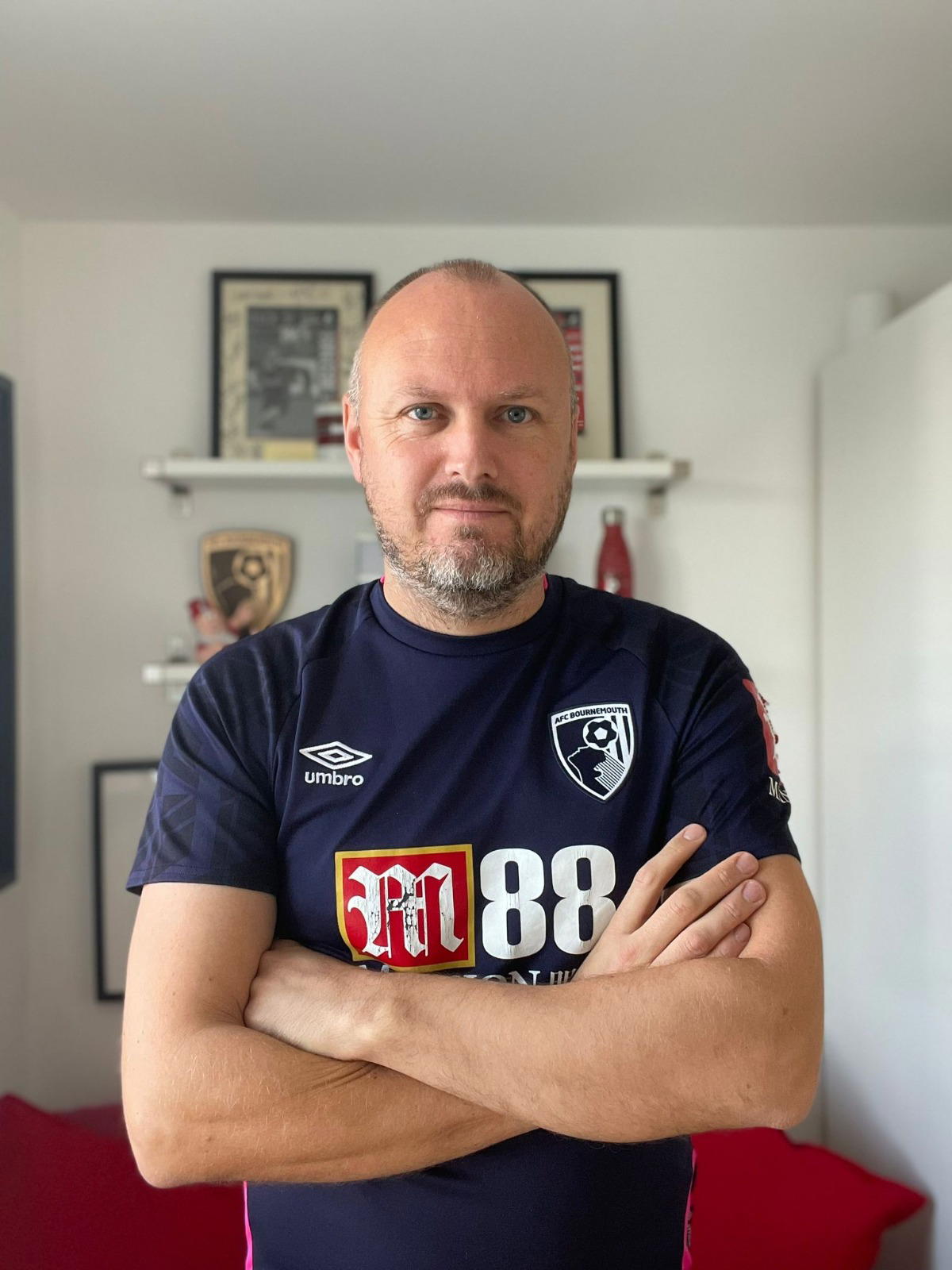
As Cherries supporter Rob Webber pointed out on social media platform X, the end-of-season numbers produced by Bournemouth’s medical and performance department were “phenomenal”. While the tactical adaptation undoubtedly helped reduce physical strain, the club’s injury record improved dramatically compared to the previous campaign.
 Rob Webber on X
Last season, Bournemouth ranked among the Premier League’s worst sides for injury-related absences, with over 1,100 days lost across the squad. This season, those numbers dropped significantly, with reports at points in the campaign showing the club among the best performers in the league for availability and fitness.
Rotation was also utilised far more effectively, allowing players such as Amine Adli to enjoy impactful periods throughout the season without becoming overburdened physically.
Of course, there is always an element of fortune involved with injuries, but the turnaround also coincided with the opening of Bournemouth’s new £32 million Performance Centre earlier this year.
The facility, featuring advanced recovery suites, improved medical infrastructure, indoor training areas and upgraded pitches, has allowed the club to significantly enhance injury prevention, rehabilitation and player monitoring processes.
 AFC Bournemouth Performance Centre © Sam Davis
Doctor Doctor - Why Have Cherries Improved?
Another major factor behind the improvement has been Dr Robert Percy Marshall, who arrived from RB Leipzig in July last year as Bournemouth’s Director of Medical and Performance.
Marshall, who previously led Leipzig’s medical department, has overseen the integration of sports science, medical operations, nutrition, recovery and psychological support systems throughout the club, helping create a far more cohesive performance structure.
Recruitment has also played its part
A recent Gradient Sports study suggested Bournemouth possess the second-youngest squad in the Premier League - perhaps making them naturally better equipped to cope with the physical demands and intensity of Iraola’s style of football.
 Gradient Sports on X
Ultimately, while Iraola rightly deserves enormous praise for leading Bournemouth into Europe, the data increasingly points towards a collaborative success story.
From ownership and recruitment to sports science and medical performance, Bournemouth’s rise appears to have been built on far more than simply tactics alone - something supporters may ultimately have owner Bill Foley to thank for.
1
Comments

Powered by RoundtableAn AI/DeFi-powered Enterprise Media Operating System. Learn more at Roundtable.io.© Roundtable 2026. By using this site you agree to the Terms of Use and Privacy Policy